Human Rights Organization: 154 Infants in Incubators Threatened by Taiz Siege
The Rasd Organization for Rights and Freedoms has warned of a worsening humanitarian catastrophe in the city of Taiz, noting that the siege imposed on the city since October 4, 2026, and the closure of supply routes have led to a deterioration in living, health, and educational conditions.
In a statement on Sunday, the organization said that the continuation of the siege exacerbates the suffering of the population, threatens food security, and obstructs patients' access to treatment amidst shortages of food, medicine, fuel, and water, and the declining ability of health facilities to provide their services.
Citing UN reports, it explained that 600,000 people have been unable to receive aid from the World Food Programme, 42 health facilities face severe shortages of medical supplies and oxygen, and 12 hospitals and health centers are threatened with service suspension or reduction due to fuel shortages.
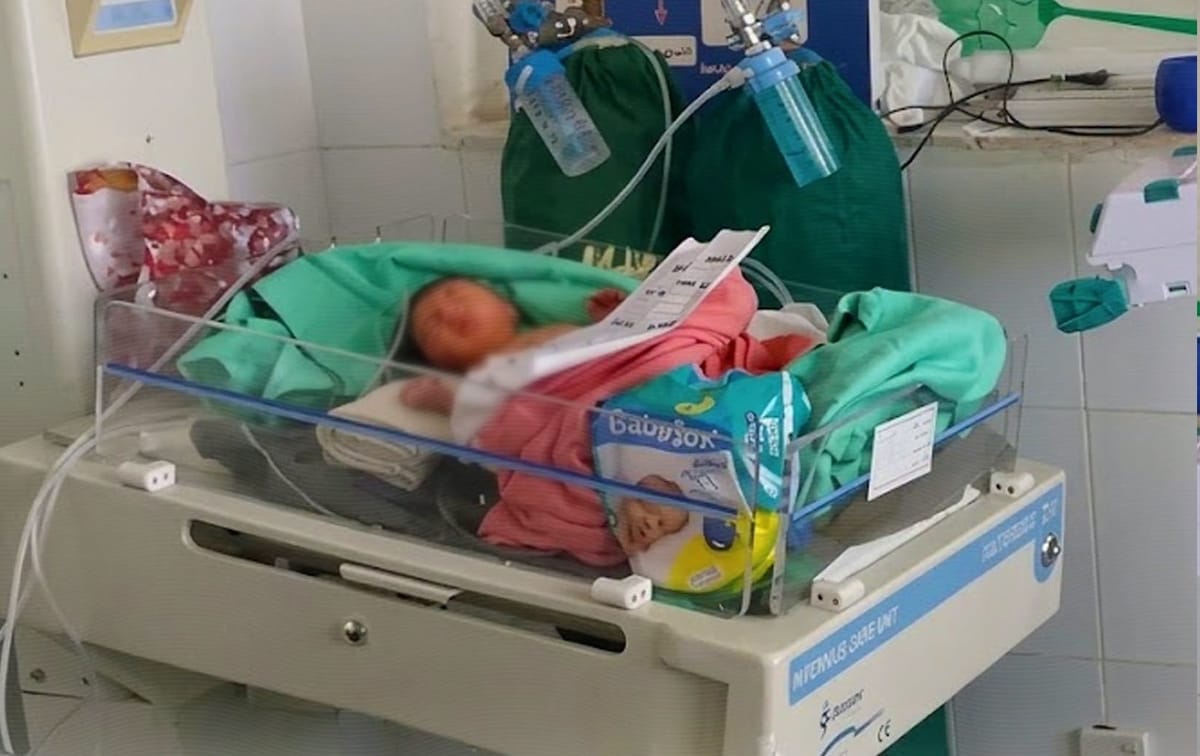
The Rasd Organization added that 1,110 kidney failure patients face risks from a lack of dialysis supplies, with a need for about 120 dialysis sessions daily, and 192 patients in intensive care, along with 154 infants in incubators, face risks from fuel and medical supply shortages.
It warned that water shortages and the accumulation of waste in streets and residential areas signal a worsening of health and environmental risks, creating conditions for the spread of diseases, including acute watery diarrhea, dengue fever, and malaria, as well as skin and respiratory illnesses.
It continued: The shortage of fuel, medicines, and medical supplies also threatens the continuation of emergency services, kidney dialysis, cancer treatment, and newborn care, compounding the suffering of patients and the most vulnerable groups.
The Rasd Organization for Rights and Freedoms demanded the immediate lifting of the siege and the opening of main and secondary roads to civilians, ensuring safe and sustainable access to food, medicine, fuel, water, and humanitarian aid.
It also called for securing passage for patients and ambulances, ensuring access for cancer and kidney failure patients to treatment centers, urgent intervention to support hospitals and health facilities with medicines, oxygen, fuel, and necessary supplies, and action from organizations to stop the humanitarian catastrophe.
Source: Rasd Organization for Rights and Freedoms - Facebook