UN Warns of Severe Deterioration in Yemen's Food Security Situation
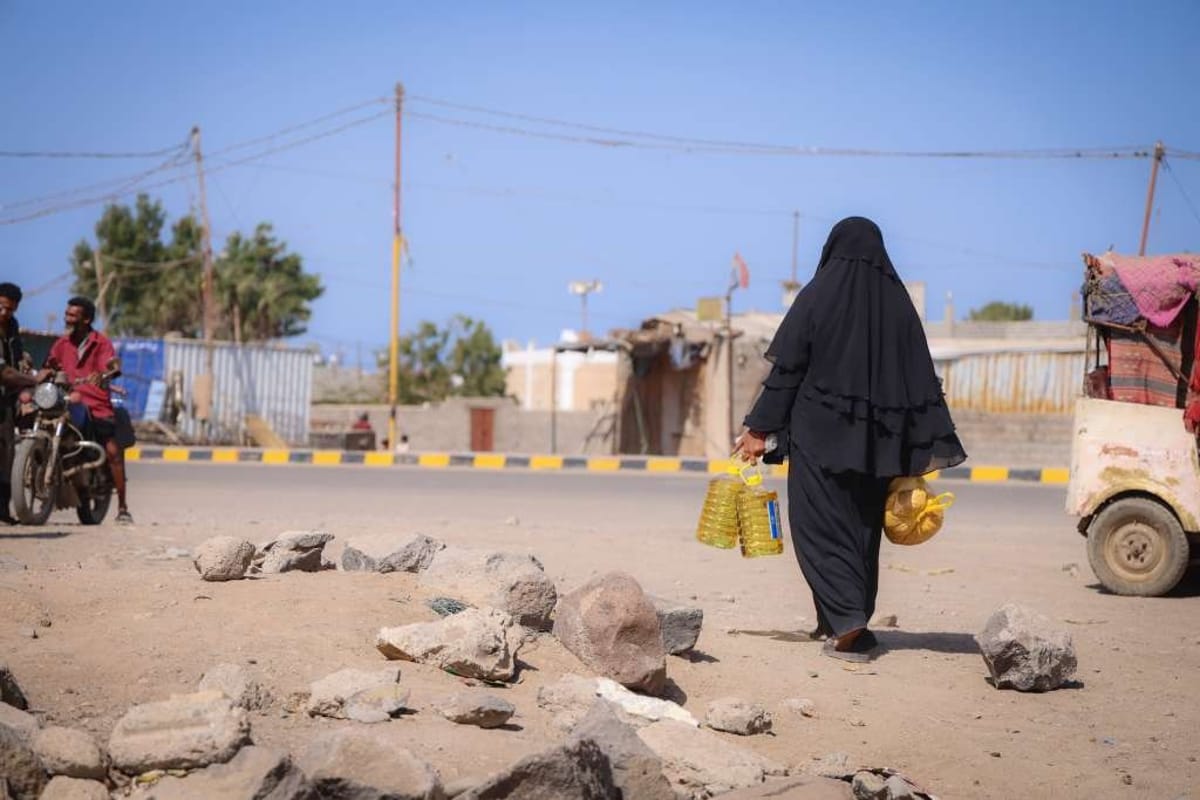
The Food and Agriculture Organization of the United Nations (FAO) has warned of a severe deterioration in Yemen's food security situation.
In a recent bulletin, it clarified that about 18.7 million people, representing more than half the population, are facing acute food insecurity amid renewed military confrontations, regional tensions, and worsening humanitarian and economic conditions.
The organization reported that the escalation of hostilities and waves of displacement since last July, particularly around the Taiz governorate, along the western coast, and southern contact points, has disrupted land and sea trade and increased shipping and fuel costs. This has intensified pressure on essential services and diminished humanitarian response capacity, coinciding with severe funding shortages and climate shocks.
It clarified that prices of basic food commodities in areas controlled by the Yemeni government have recorded a significant increase, with flour prices jumping by 7.4 percent and Basmati rice by 6.3 percent month-on-month. Sunflower oil and bean prices also rose by 3.3 and 3.6 percent, respectively.
It added that these increases have impacted the cost of the minimum food basket, which rose by 2 percent compared to last August and by 7 percent compared to its levels recorded in September 2025.
Regarding imports, the organization noted a sharp 42.5 percent decline in registered wheat and flour imports through southern ports, compared to a slight national decrease of 1.5 percent. Gasoline and diesel imports also fell by 9.9 percent, with the organization pointing out that the lack of data from northern ports limits a comprehensive assessment of the decline's scale.
In the energy and exchange rate sector, it reported that the Yemeni rial has maintained relative stability in government-controlled areas, trading at levels 4 percent better than last year and 8 percent better than the average of the last three years.
It pointed to a 4.5 percent month-on-month decrease in official diesel prices, with gasoline prices remaining stable. However, fuel prices are still significantly high compared to their annual averages.
The organization warned of the continued erosion of Yemeni households' purchasing power, amid stagnant daily wages for informal labor, which have decreased by 0.4 percent monthly and 9.7 percent annually. This has led to a 7.2 percent monthly and 23.1 percent annual decline in the terms of trade between wages and flour.
It added that the slight increase in the prices of local cattle and sheep provided limited relief for herders but did not offset their losses compared to last year.
Source: Almahriah Net + Open Sources