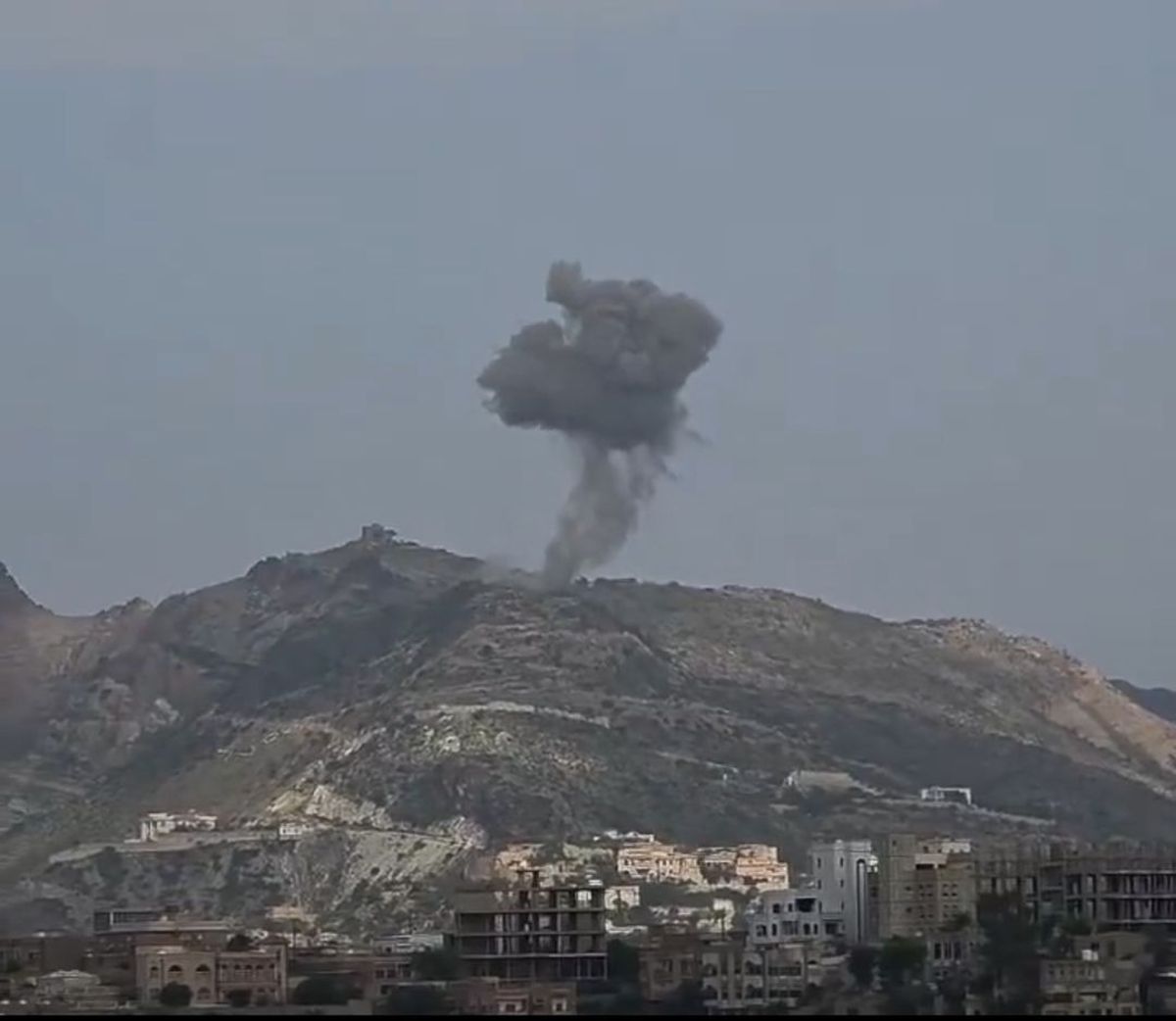
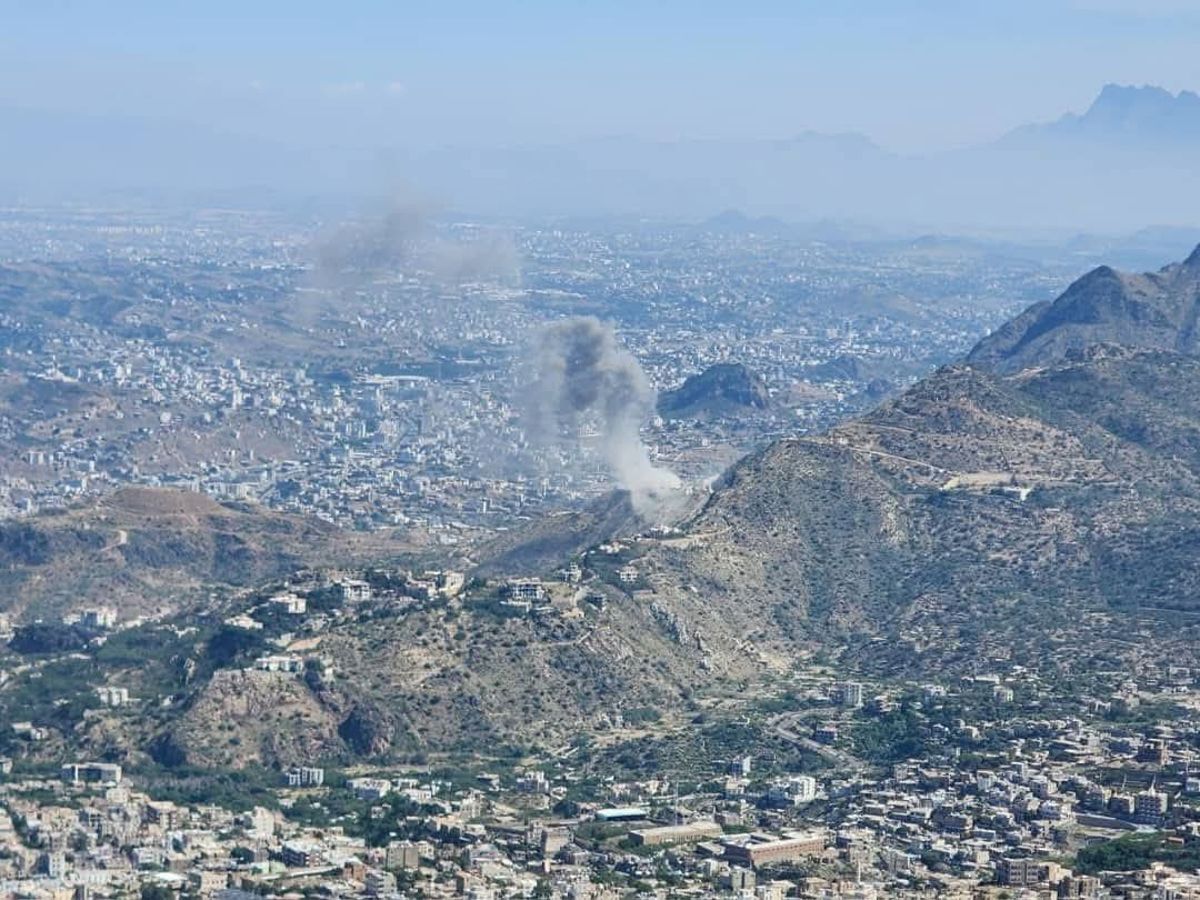
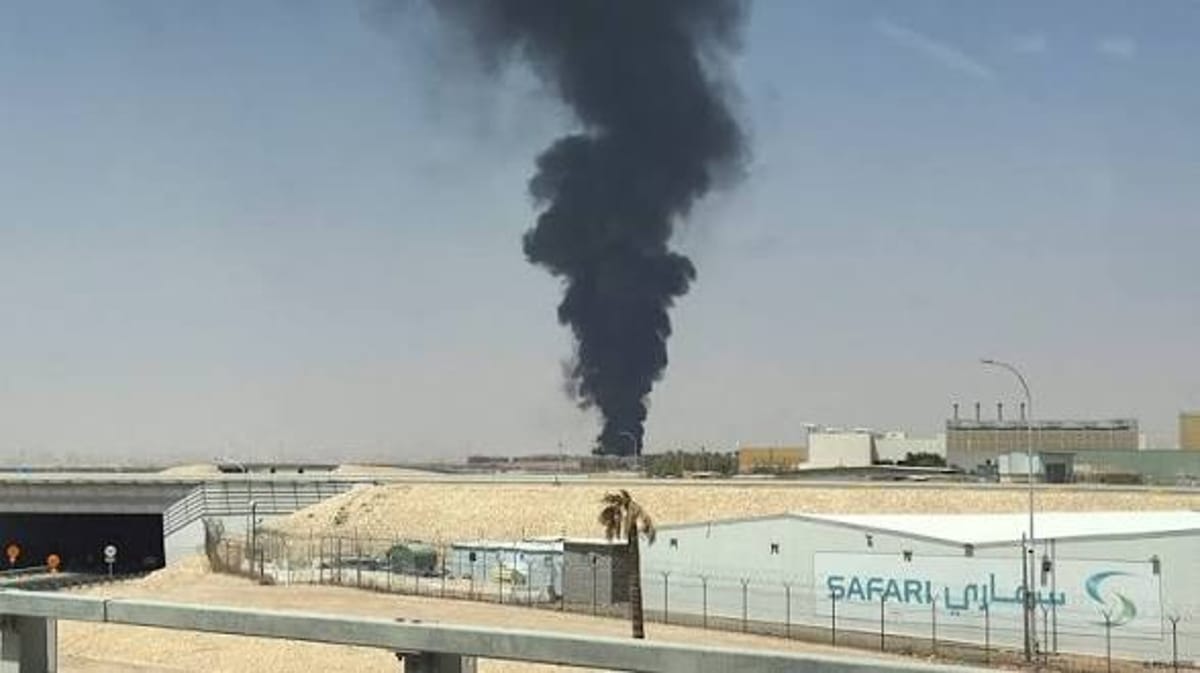
Military Expert: Withdrawal from Dhubab and Bab al-Mandab is a Field Retreat, Not a Redeployment
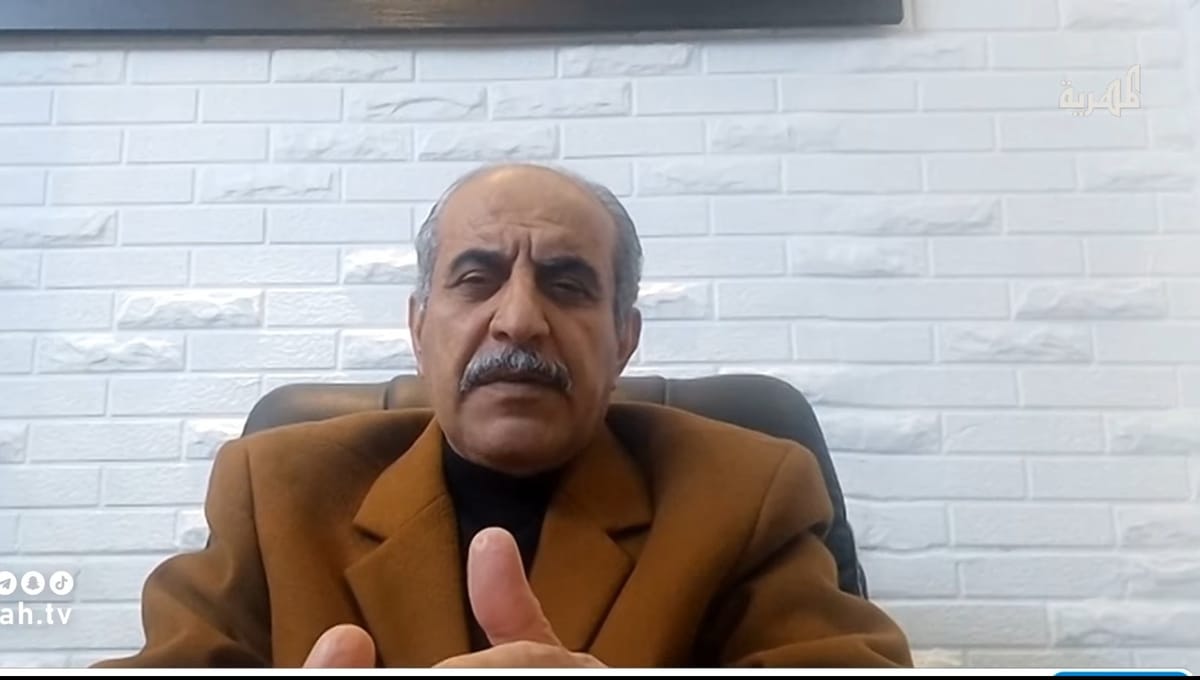
Military expert Dr. Mohammed Al-Maqabala stated that the movements of southern forces from the Dhubab and Bab al-Mandab areas, west of Taiz governorate, cannot be militarily classified as a redeployment, considering it a field retreat given the distance the forces traveled and the nature of the positions they left.
In a statement to the "Al-Tasi'a" program on Al-Mahriah Channel, Al-Maqabala explained that redeployment in military terms means moving forces to new positions within the same sector or front to reorganize defenses and create alternative plans. He noted that moving over 300 kilometers does not fall under this concept, nor even tactical withdrawal.
He added that repeated redeployments and retreats among government forces and supporting formations raise questions about their ability to hold positions and secure supply lines, as well as indicating imbalances in the command and control system and a lack of coordination between military formations.
He pointed out that some forces are now unable to maintain their positions due to shortages of personnel, equipment, and logistical supplies, in addition to difficulties in securing supply lines, which he described as one of the main battles in the theater of military operations.
Al-Maqabala warned of the consequences of relinquishing strategic positions in Lahij governorate, explaining that their military importance lies in being a vital area for movement, flanking, and accessing supply lines and strategic highlands, in addition to its connection to securing the fronts of Taiz, the West Coast, and Bab al-Mandab.
Speaking on the reasons for the Houthi group's resilience versus the retreat of opposing forces, Al-Maqabala attributed it, among other factors, to the group's unified military command and decision-making, in contrast to the multiple decision-making centers within the opposing military formations.
He criticized the issuance of military statements by individual formations, despite the announcement of "Fajr al-Yaman" (Dawn of Yemen) as a state-level military operation, considering it reveals a lack of a unified operational authority and continued decision-making independence among formations and fronts.
He said that the multiplicity of decisions among the forces operating on the Ma'rib, Al-Amaliqa, Dira' al-Watan, and Republican Guard fronts, among others, reflects the absence of a unified operational vision and leads to weakened coordination between fronts, which negatively impacts their ability to hold ground and maintain positions.
He stressed that unity of military command and discipline within the military institution are among the main factors for resilience, warning that treating each front as separate from the others and focusing on securing specific areas at the expense of others could lead to withdrawals, field confusion, and strategic losses that are difficult to recover.
Source: Al-Mahriah Channel