Al-Shuja: Government and military changes signal a shift from defense to offense

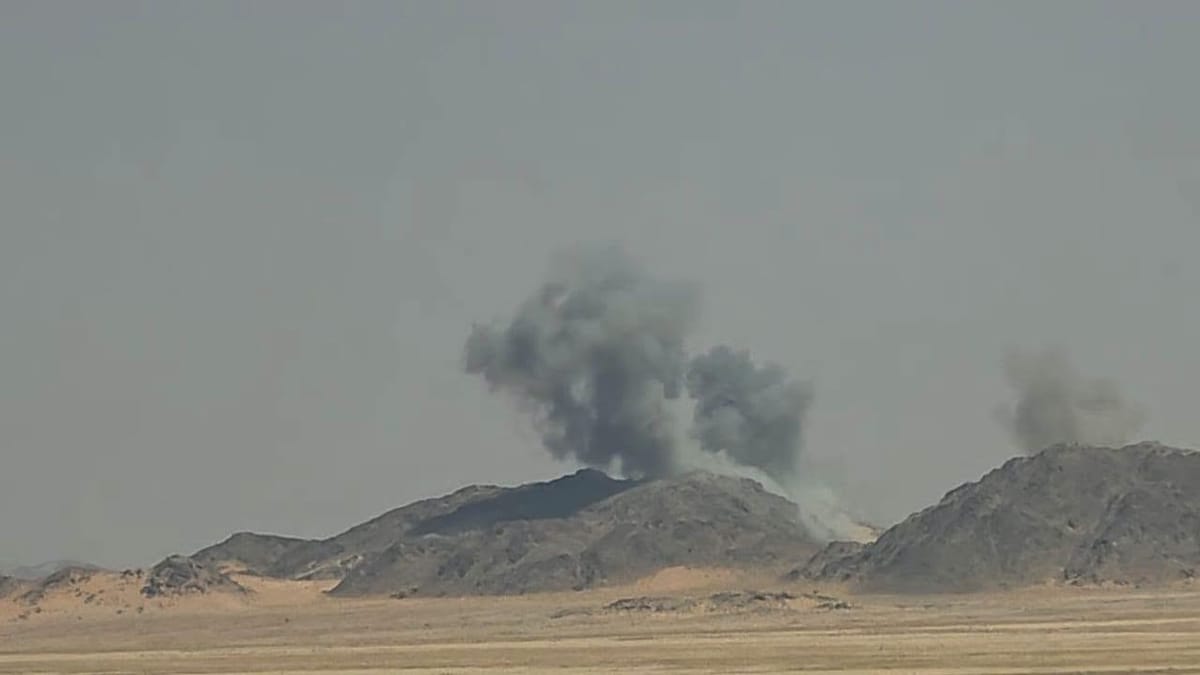
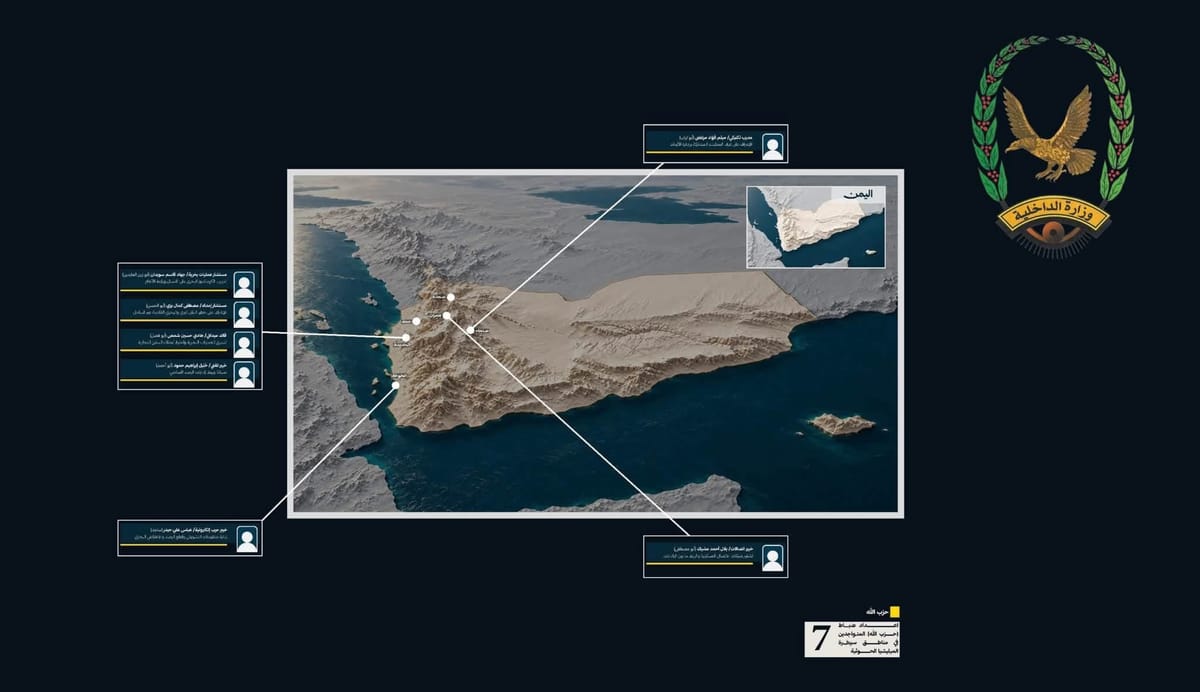
Academic Adel Al-Shuja stated that the recent governmental and military amendments in Yemen cannot be separated from the current military escalation, noting that they included military leaders on several fronts against the Houthi group, most notably in Taiz, Tur Al-Bahah, Al-Bayda, and Al-Jawf.
In a statement to the "Al-Tasi'a" program on Al-Mahriah Channel, Al-Shuja added that these changes might reflect an intention by the legitimate government to shift from a defensive posture to taking the initiative and going on the offensive, aiming to achieve battlefield gains and strengthen its negotiating position in the next phase.
He explained that the parties to the conflict in Yemen are aware of the link between local developments and the transformations occurring in the region, particularly the confrontation between the United States and Iran, the Iranian-Israeli conflict, and their repercussions on the security of the region and the Gulf.
He noted that any potential settlement between Washington and Tehran will be reflected in the Yemeni file, which pushes each party to try to improve its negotiating position in anticipation of the outcomes of regional mediations and talks.
Commenting on the changes in the Ministry of Information, Al-Shuja said that the ministry had failed in recent years to fulfill its role in the media battle and to keep pace with military and political developments, which allowed Houthi media to gain an upper hand in promoting its narrative.
He stressed that the role of the Ministry of Information should not be limited to reporting what is happening on the ground, but it must also provide a critical analysis of military and political performance, exposing imbalances and gaps within the institutions of the legitimate government, which helps decision-makers address them and correct the course of performance.
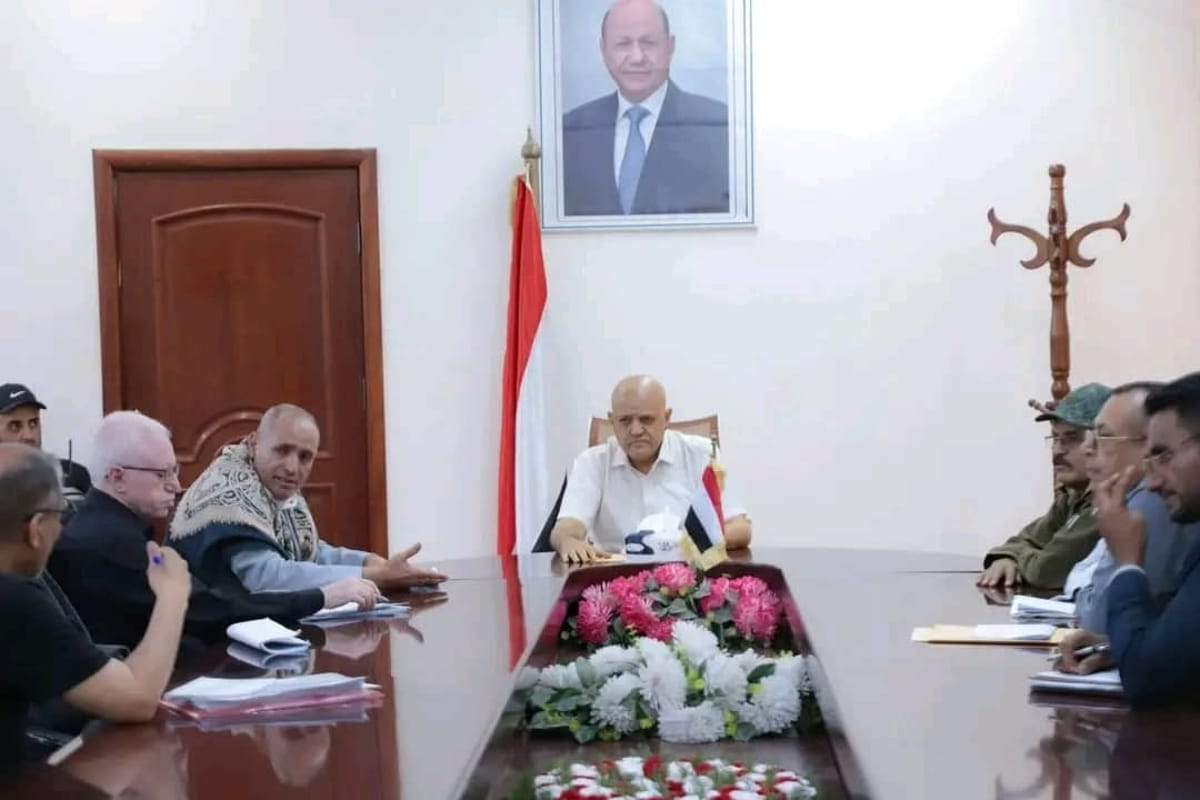
Regarding the government's composition and its political balances, Al-Shuja pointed out that the previous government was formed based on a quota system linked to understandings between Saudi Arabia and the UAE, and these understandings were reflected in the distribution of shares within the Yemeni government.
However, he added that it is too early to be certain that the recent amendments are an extension of the previous quota system, considering that linking the political changes with the appointment of new military leaders in the Taiz, Tur Al-Bahah, Al-Bayda, and Al-Jawf axes indicates the legitimate government's direction towards improving battle management and enhancing its capabilities in the upcoming phase.
Al-Shuja emphasized the importance of these changes translating into a real improvement in military, political, and media performance, enabling the legitimate government to overcome the failures of the past phase and strengthen its position in any future political settlement.
Source: Al-Mahriah Channel