Houthi Advances in Taiz... Temporary Tactical Gains or Military Gaps?
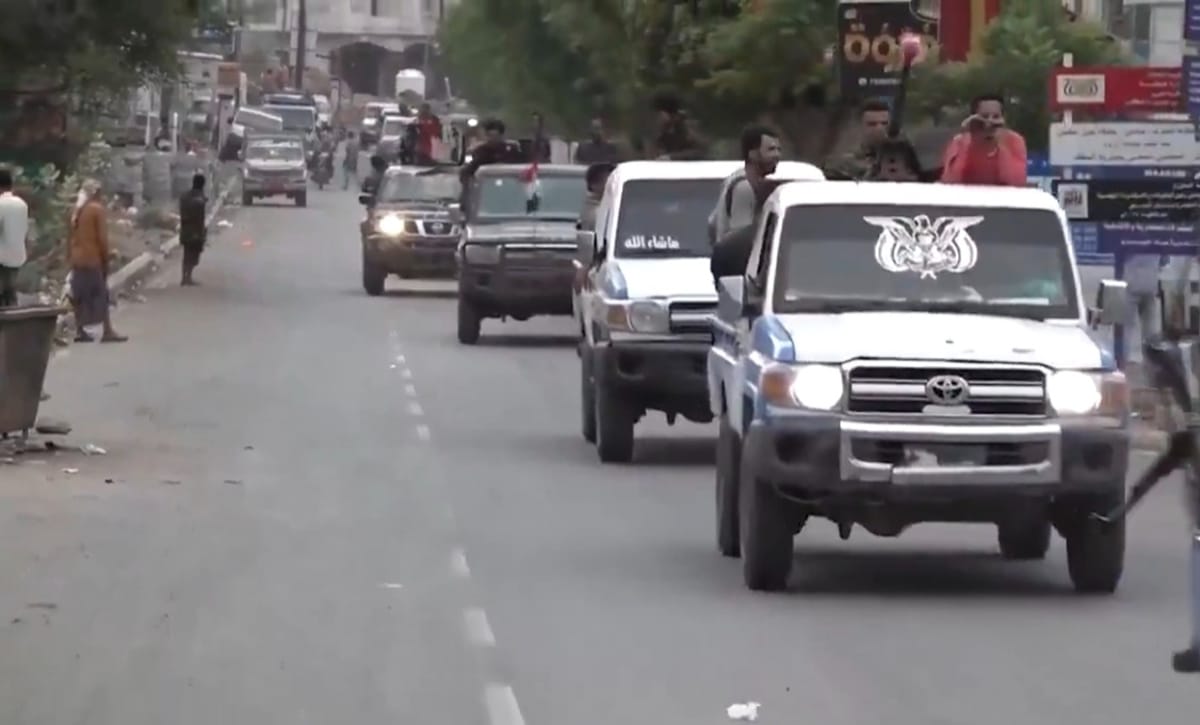
Experts and researchers said that the field advances made by the Houthi group on several fronts in Taiz governorate represent temporary tactical gains. They warned of the repercussions of disputes within military leadership and the weakness of support and coordination, while a journalist accused the Southern Transitional Council (STC) of attempting to return to the political scene through field movements and stirring tension in the southern governorates.
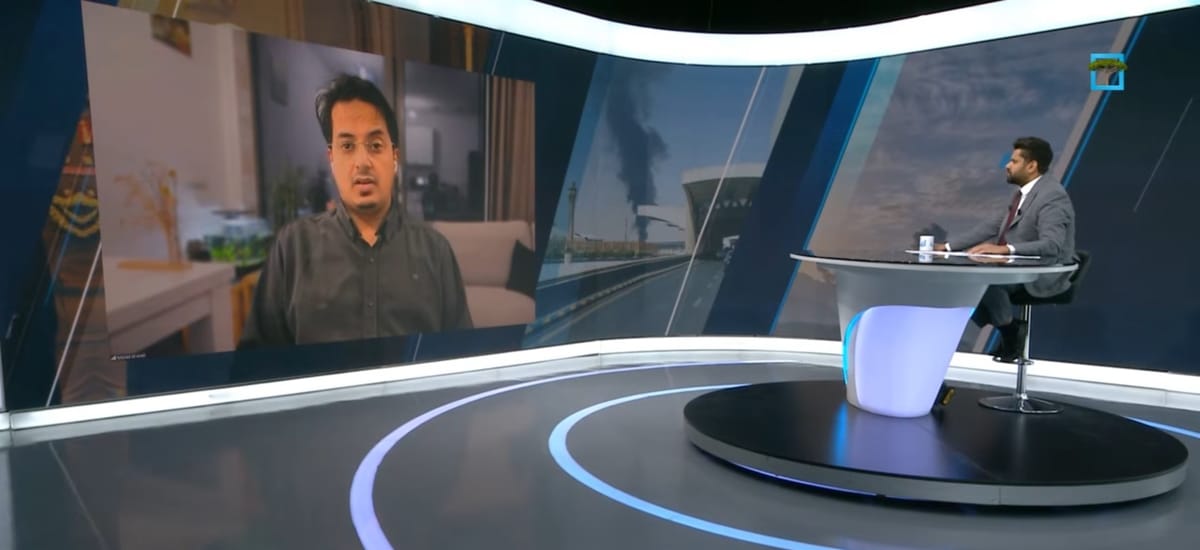
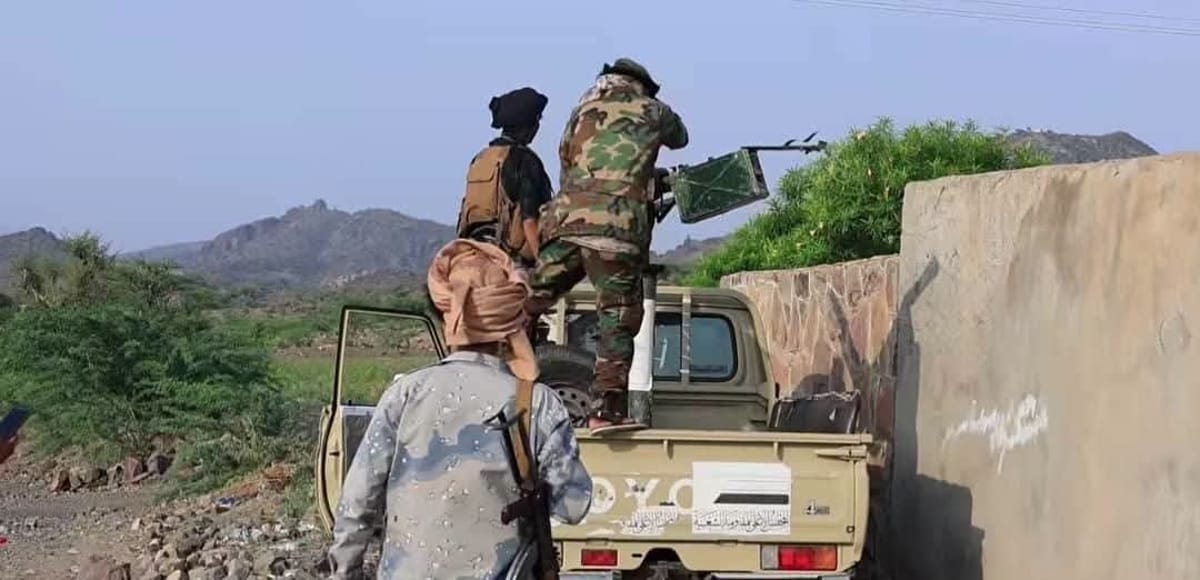
Military expert Dr. Mohammed Al-Maqabaleh told Almahriah channel's «The Ninth» program that the advances made by the Houthi group on some fronts do not necessarily mean they can impose sustainable control, attributing this to their reliance on small, light, and mobile combat groups.
Al-Maqabaleh explained that these groups can cut roads and control some locations for short periods, then use this for psychological warfare through media propaganda and spreading despair among the population.
He noted that countering these tactics requires the use of drones and ground forces to target the small groups and force them to retreat, stressing the need to prevent them from establishing sustainable field control.
Al-Maqabaleh called for expanding airstrikes to include command and control sites in Sana'a and Sa'dah, with an intelligence focus on Ibb governorate, which he described as a rear base for sending reinforcements towards Taiz.
He pointed to a clear intelligence weakness among government forces but also noted indications of intelligence breaches in Houthi centers of gravity, especially in Sana'a.
He said that circulating news about Houthi arrests of citizens in Sana'a, although largely unconfirmed, may reflect the group's suspicions of intelligence cooperation, coinciding with the continuation of airstrikes on Sana'a, military sites, and weapons depots.
Al-Maqabaleh stressed that aerial bombardment alone cannot be decisive in any battle, but it currently plays strategic roles, including preparing for future operations, disrupting Houthi command and control sites, forcing the group's leaders into hiding, and cutting supply routes, especially on the western front leading to Bab al-Mandab.
He added that the airstrikes also help boost the morale of government forces and provide air cover for upcoming military operations.
Military Disputes Facilitated Houthi Advances
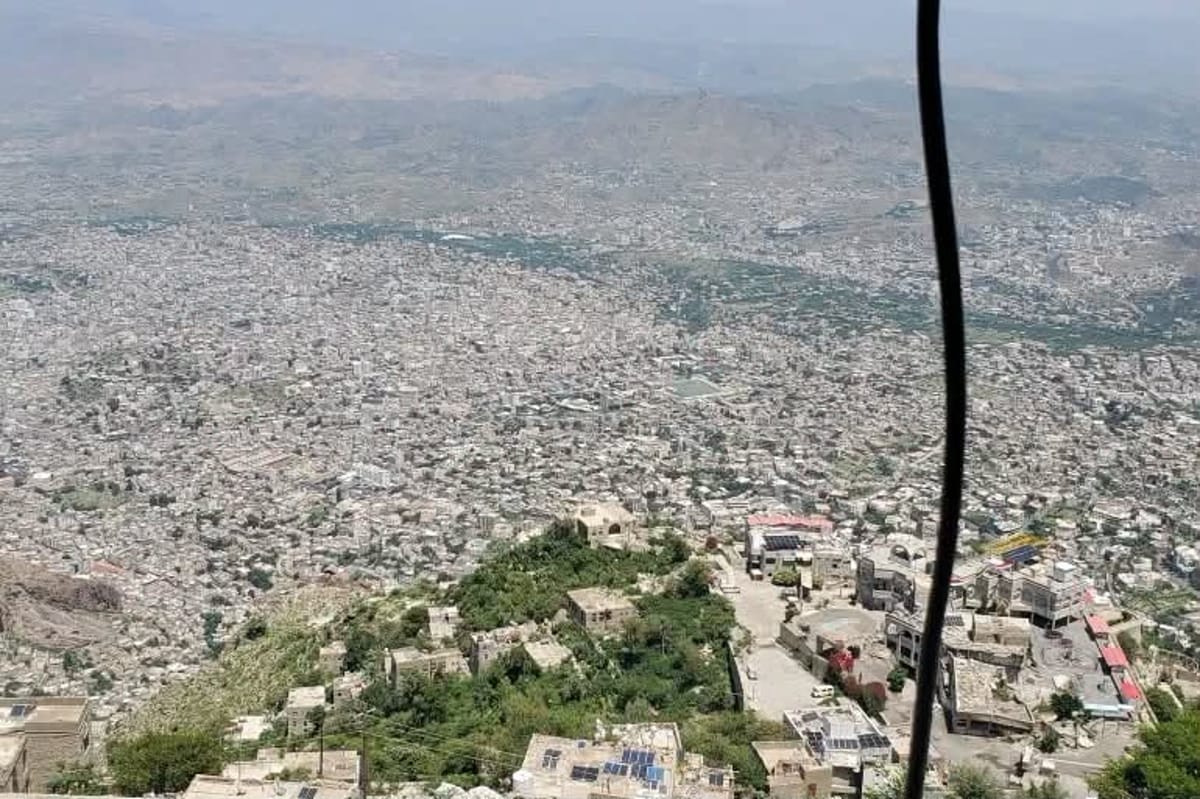
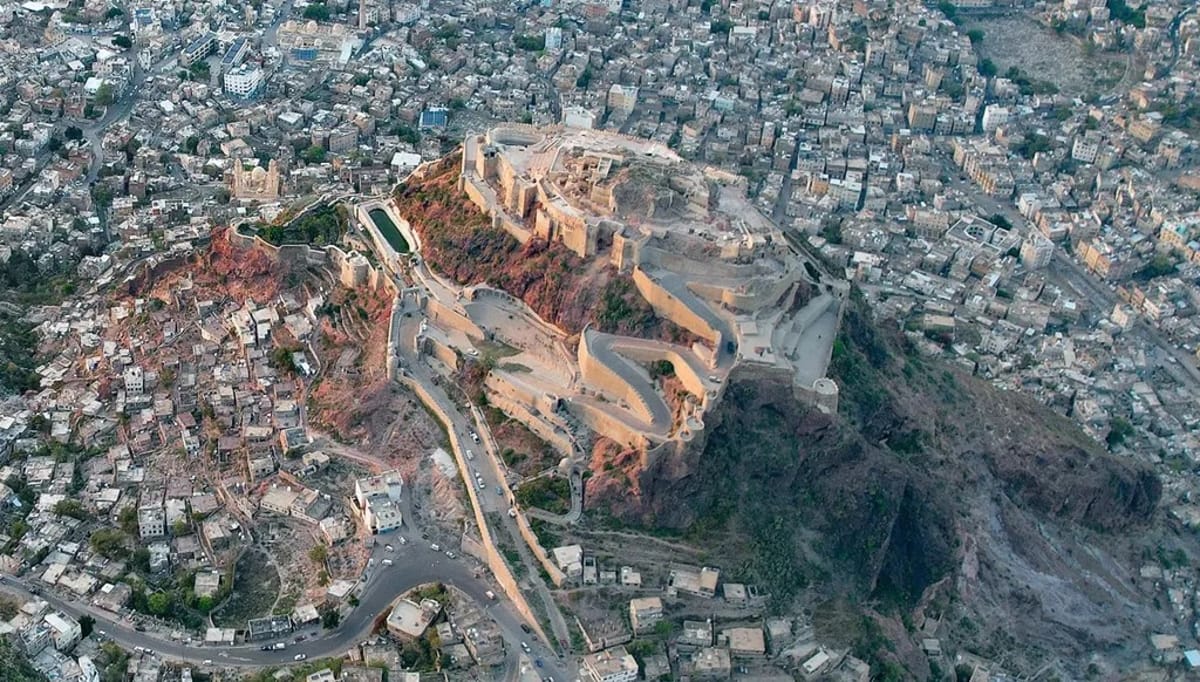
For his part, Tawfiq Al-Jundi, a researcher at the Sana'a Center for Strategic Studies, said that disputes between military leaders and weak support contributed to facilitating the Houthi group's advance into areas in the Al-Turbah district, south of Taiz.
Al-Jundi added in a statement to the same program that the Houthis advanced rapidly through rugged mountainous areas with difficult access, after long attempts to reach the mountains of Rasin, Yerdad, and the western and southern regions.
He explained that residents in those areas resisted the Houthi advance without sufficient support, before disputes within the military forces facilitated the group's access to its targets.
He pointed to disputes between commanders Abu Bakr Al-Jabouli and Yousef Al-Sharaji, explaining that the latter was appointed commander and supervisor of the Taiz front, but his military orders, according to him, were not acted upon by leaders in the Taiz and Al-Baha axes.
Al-Jundi noted talk of a shortage of ammunition and weapons but said that military units had enough, at least, to start military operations, considering that adherence to the front commander's orders would have strengthened the defensive position.
He said that what happened seems more like a personal dispute than a military one, considering the fall of areas to the Houthis due to disputes between military leaders to be an extremely serious matter.
Al-Jundi called for a review of what has happened on the Yemeni fronts in recent years, investigations into the reasons for the fall of areas like Nihm and Mocha, and learning from those experiences for future operations.
He added that the Houthi group effectively declared a general mobilization since October 2023, and has since been preparing, training, and accumulating capabilities. He pointed out that they moved people from Rasin, Al-Quraishah, and other areas of current battles to Sa'dah and Sana'a, where they received military training before being returned to their areas.
He stressed that war cannot rely solely on the announcement of military operations or general mobilization, but requires economic, societal, security, and intelligence preparation, in addition to military readiness and unified command and control.
Al-Jundi warned that Houthi control over Al-Turbah, then Hayjat al-Abd and beyond, could allow them to establish fire control over parts of Lahj governorate, noting that the military operation in Taiz is «extremely difficult.»
He explained that the group relies on small, mobile groups that advance through rugged areas inaccessible to armored vehicles and cars, then leaves limited garrisons in the areas it controls, making them harder to target by air, especially when fighters reach residential areas.
He emphasized that countering this movement requires a unified military command, a clear plan, and light forces capable of maneuvering in rugged mountainous terrain.
The STC Tries to Return to the Scene
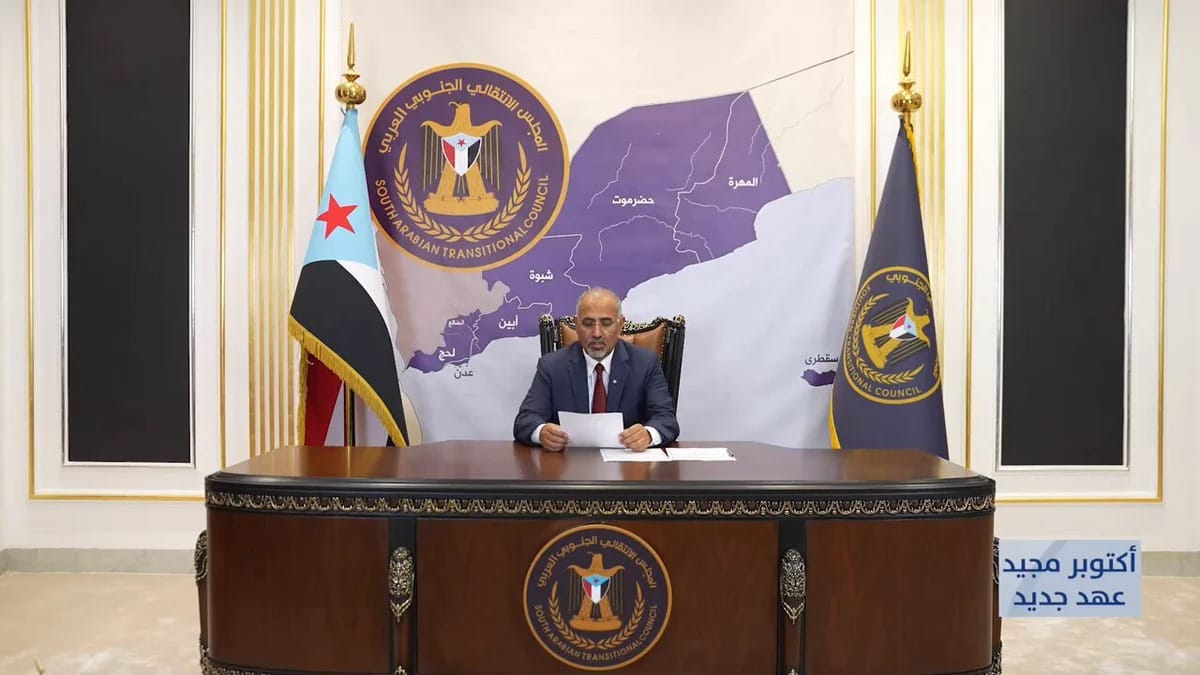
In a related context, journalist Ramzi Al-Fadhli said that the Southern Transitional Council (STC) is trying to return to the political scene «by any means,» whether by inciting chaos in Aden and the southern regions or by stirring up sectarianism from time to time.
Al-Fadhli added, in a statement to Almahriah channel's «The Ninth» program, that the return of several STC leaders to Aden recently, including Salah Al-Shanfara, is part of moves to rearrange the internal scene in the southern governorates.
He noted that these moves came after Mansour bin Zayed's visit to Saudi Arabia, considering that there were behind-the-scenes understandings regarding the return of some figures affiliated with the STC to the scene.
Al-Fadhli said that there are hardline factions within the STC that do not believe in dialogue or the understandings taking place in Riyadh. He noted that the Yemeni government and Saudi Arabia fear that internal chaos could disrupt the situation amid military preparations against the Houthis.
He touched on the rejection by STC-affiliated leaders of the coordinating councils announced by the Minister of Youth and Sports, Nayef Al-Bakri, questioning what steps these parties might take to overthrow those councils and whether the calls in this regard could lead to new tensions or clashes in Aden.
Al-Fadhli also pointed to the return of several southern leaders to Aden, including Abu Zara'a Al-Muharrami, a member of the Presidential Leadership Council, considering his return a test of his position on the state, the government, and the Arab Coalition.
He said that what is required of these leaders, in his words, is to stand with state institutions and the Arab Coalition, and not to repeat past experiences where some STC leaders deviated from consensus with the government and the coalition.
In contrast, military expert Mohammed Al-Maqabaleh expected the Houthi group to resort to military options to respond to the escalation, considering that the nature of their response in the coming hours and days will be an indicator of the success of the airstrikes in achieving their strategic objectives.
He explained that a Houthi escalation using ballistic missiles and drones to target Yemen's depth, including Marib, Hadhramaut, and Al-Mahrah, could indicate the group's attempt to relieve pressure on Sana'a.
He added that an escalation in targeting Saudi interests and facilities deep within Saudi Arabia would be another indicator of the Houthis' attempt to exert pressure to ease military pressure on Sana'a.
He stressed that the nature of the choices the group will make in the next phase will provide important indicators for assessing the strategic results achieved by each party on the various fronts.
Source: Almahriah Channel