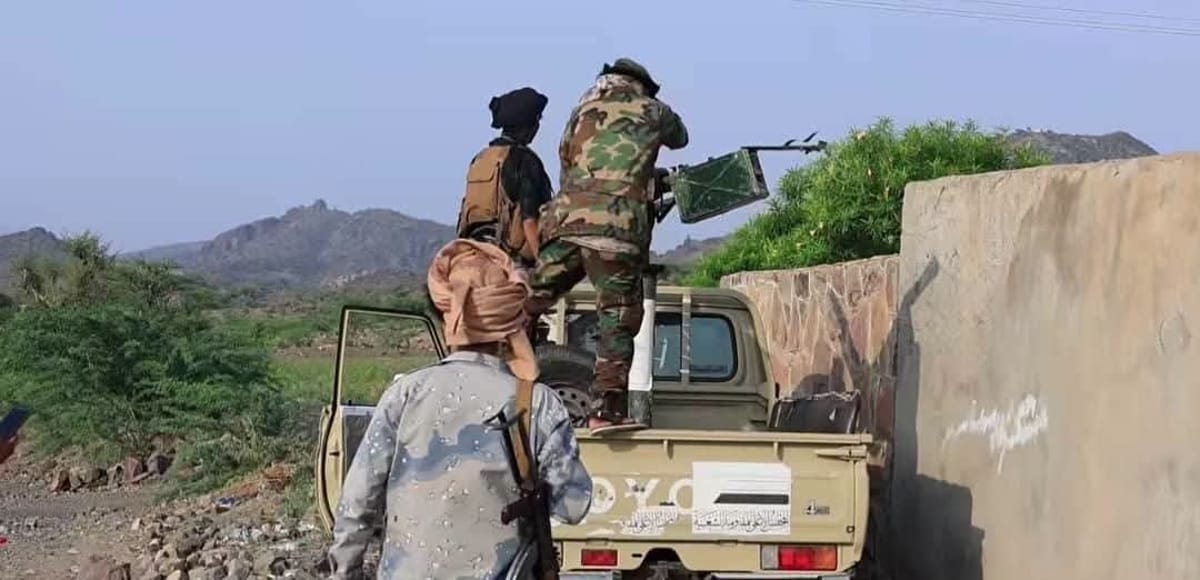
Major Riyadh Airport Attack: Has the Houthi Confrontation Reached the Point of No Return?
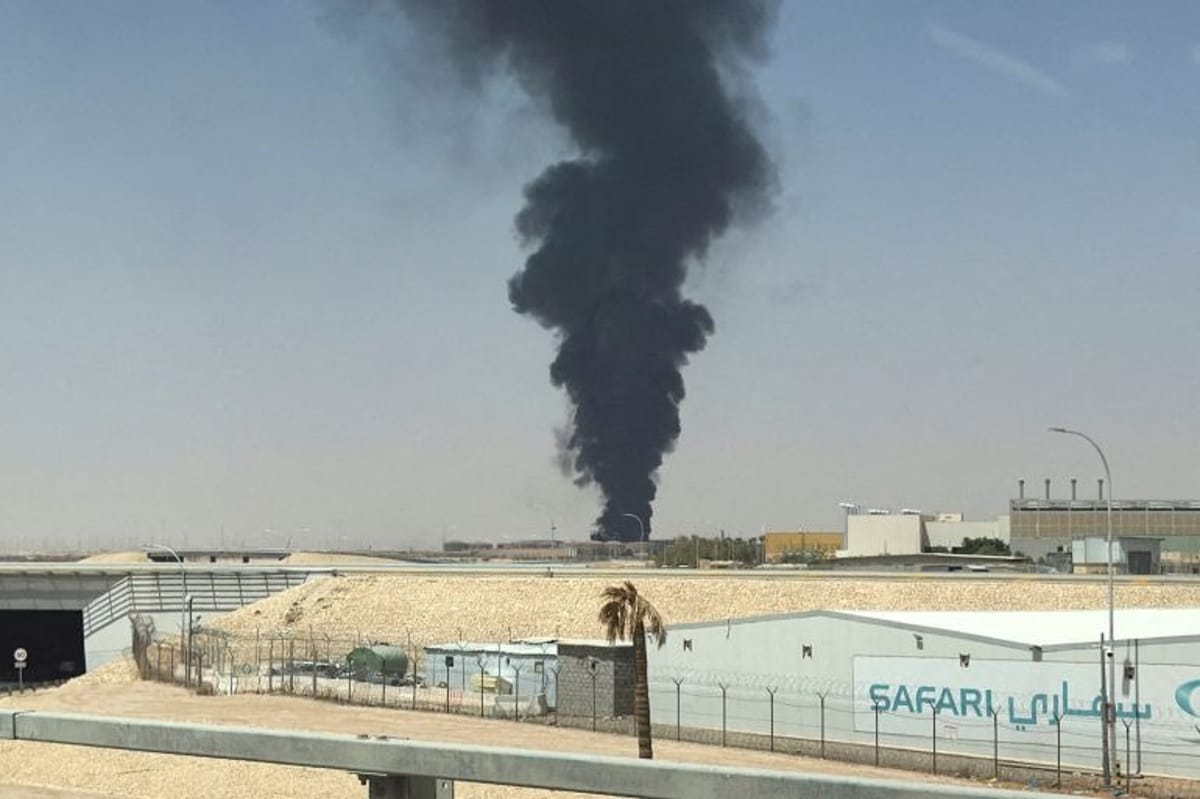
The missile attack targeting King Khalid International Airport in the Saudi capital, Riyadh, has escalated the confrontation between Saudi Arabia and the Houthi group to a more dangerous stage, as attacks shift to one of the kingdom's most prominent civilian facilities linked to travel, business, and economic connectivity.
The Saudi General Authority of Civil Aviation announced that the attack on the airport on Saturday, October 10, resulted in 12 deaths and 309 injuries, including critical cases, in addition to material damage that is still being assessed. The authorities stated that operations were temporarily suspended to assess the damage and verify the safety of the facilities.
The gravity of the attack is not limited to its human toll but extends to its security and economic implications, amid the widening confrontation on the Yemeni fronts and the intertwining of local calculations with regional and international interests. The repeated targeting of airports also raises questions about the ability of air defenses to contain the attacks and the possibility of preventing them from becoming a continuous pattern of attrition.
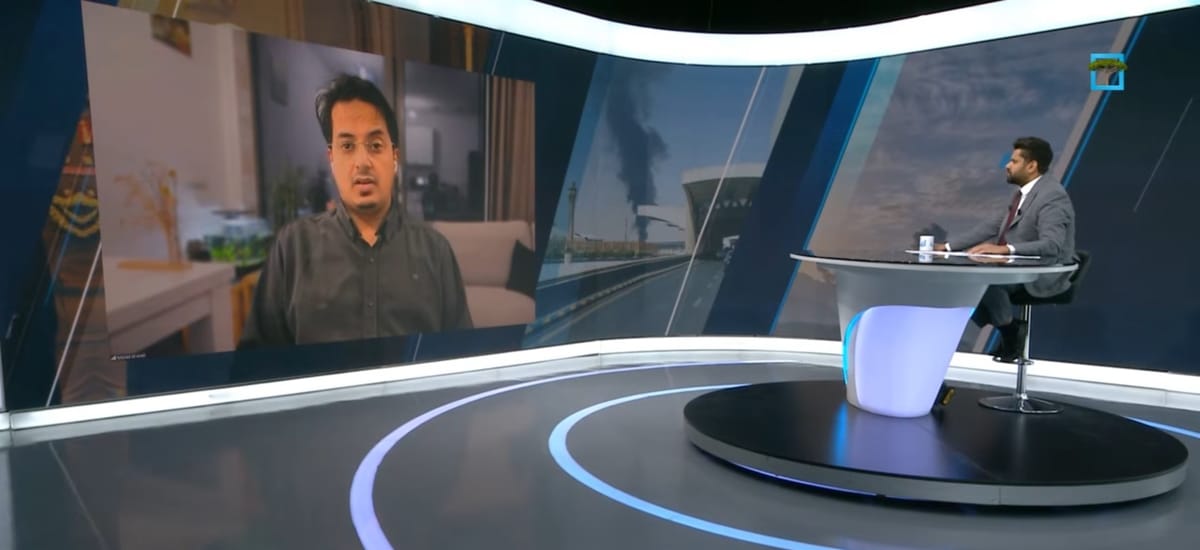
In an analysis of these developments, Dr. Mohammed Al-Maqabala told Al-Mahriah TV that targeting King Khalid International Airport reflects an escalation in military operations and the Houthis' determination to raise the economic, political, and security costs of the conflict, potentially drawing regional and international parties into the confrontation.
Al-Maqabala added that events are witnessing an acceleration in reactions and an expansion in operational paths, both inside Yemen and in the theater of operations related to Saudi Arabia. He considered that targeting a civilian facility, with the possibility of casualties of different nationalities, reflects the prioritization of combat considerations over humanitarian considerations and the laws of war.
Riyadh Airport: From Civilian Facility to an Axis of Escalation
The latest attack comes in the context of a gradual escalation witnessed by Saudi Arabia this October, with an increase in missile and drone attacks targeting airports and military installations, coinciding with the expansion of military operations by Yemeni government forces against the Houthis.
In an official statement published by the Saudi Press Agency (SPA) on October 9, the General Authority of Civil Aviation announced that King Khalid International Airport was subjected to two attacks on Thursday, October 8. The first targeted airport facilities, while the second targeted a Saudi Arabian Airlines aircraft. The authority reported that the two attacks resulted in the deaths of three Saudi citizens and the injury of several citizens and residents of various nationalities, in addition to material damage, noting that operational activities had resumed and air traffic had returned to normal.
However, the escalation resumed the next day, as the airport was hit by a new attack that resulted in deaths and injuries, before Saudi authorities announced the final official toll of 12 dead and 309 injured. The attack led to a temporary suspension of operations and disruption of air traffic.
In a later development, Coalition spokesman Major General Turki Al-Maliki announced the interception and destruction of a cruise missile in the vicinity of King Khalid International Airport. In a separate statement, he also spoke of Terminal 4 being targeted by an unknown projectile, which caused a fire, noting that the relevant authorities were dealing with the incident.
The repeated attacks led to disruptions in air traffic, with flights canceled, others delayed, and aircraft bound for Riyadh being rerouted. The security risks also prompted several countries to issue travel warnings to their citizens regarding travel to and use of Saudi airspace.
These developments reveal that the targeting of the airport is no longer an isolated incident but has become part of a series of operations that raise the level of risk to civilian facilities, posing increasing challenges to aviation authorities and security agencies in ensuring passenger safety and operational continuity.
Raising the Cost of the Conflict
Dr. Mohammed Al-Maqabala believes that targeting Riyadh's airport goes beyond the immediate military dimension, carrying political and economic messages related to Saudi Arabia's ability to protect its vital installations and the Houthis' readiness to expand the scope of the confrontation.
In his statement to Al-Mahriah, Al-Maqabala said that targeting Saudi vital facilities may aim to increase pressure on the Saudi economy and raise the political and security costs, as well as attempting to draw countries, including the United States, Turkey, and Pakistan, into the conflict, which could lead to its regional expansion.
He added that, in his estimation, the developments do not indicate any near-term inclination by the Houthis towards de-escalation or making room for political dialogue, but rather reflect a determination to broaden the scope of the confrontation.
This reading gains importance in light of the potential repercussions of the attacks on aviation and investment, as their effects are not limited to direct losses but extend to the calculations of airlines, travelers, and investors regarding the level of security risks in the Kingdom.
Regarding the American position, Al-Maqabala predicted that Washington would, in the short to medium term, focus on strengthening its defensive role in protecting Saudi Arabia, without necessarily engaging in direct offensive operations against the Houthis.
He explained that this role might include enhancing defensive intelligence cooperation, sharing information on Houthi military movements, and providing additional military support to Saudi Arabia, alongside intensifying political and diplomatic pressure, including within the Security Council.
He noted that the United States would, in his assessment, seek to demonstrate its defensive capabilities and commitment to Saudi Arabia's security in the wake of the attack.
Mistakes in Managing the Yemen File
For his part, a Yemeni military expert, who preferred to remain anonymous for security reasons, said that the recent attacks on King Khalid International Airport necessitate a re-evaluation of the management of the Yemen file, considering that dealings with the Houthis in recent years have not always been based on an accurate assessment of the group's nature and military capabilities.
The expert added that halting operations on strategic fronts, including Nihm near Sana'a and areas on the West Coast, has, in his estimation, allowed the Houthis to retain large areas for maneuver and enhance their ability to continue fighting.
He pointed out that Yemen's mountainous geography gives the Houthis military advantages, especially in hiding missile launch platforms and transporting equipment, which makes reliance on air strikes alone insufficient to ensure the threat is eliminated.
He said that addressing this challenge requires, in his view, a combination of air strikes and organized ground pressure, with importance given to the Taiz, Marib, and West Coast fronts, and unifying the military efforts of anti-Houthi forces.
He added that divisions among the Yemeni forces opposing the group and disagreements over the administration of liberated areas weaken the chances of achieving sustainable military results, even with the availability of air support and military capabilities.
The expert noted that Riyadh faces a complex equation: expanding military operations could raise the cost of the war, while merely relying on defensive interceptions could lead to a continued drain on air defense systems and pressure on vital facilities.
He stressed that any large-scale military move needs specific objectives, a unified command, and a clear post-operations plan, warning that the absence of these elements could reproduce the patterns of attrition seen in the war over the past years.
Economy and Aviation: Repercussions Beyond the Airport's Vicinity
King Khalid International Airport is one of the most important air gateways to the Saudi capital, and therefore its repeated targeting has repercussions that extend beyond its geographical vicinity.
Economists believe that the continued targeting of airports and vital facilities could raise insurance and transportation costs and increase operational burdens on airlines, in addition to its potential impact on the decisions of investors and international companies regarding travel and holding economic events in Saudi Arabia.
Experts warn that repeated air disruptions could affect business confidence, especially if the risks extend to other facilities related to energy, transport, and trade. However, estimating the actual economic impact remains linked to the duration and scope of the escalation, and the ability of the Saudi authorities to contain the risks and ensure the continuity of services.
Some initial indicators show the markets' sensitivity to security developments; Arab stock markets declined in Sunday trading following the attack on Riyadh's airport, amid anticipation of the escalation's repercussions. But determining the long-term economic impact requires monitoring investment, aviation, insurance, and trade indicators, rather than relying solely on initial reactions.
The continuation of threats could also affect investors' assessment of the risks associated with holding international conferences and events in the Kingdom, and increase the need for additional security measures to ensure the safety of delegations and travelers.
Thus, protecting civil aviation becomes part of the deterrence equation, not just a separate security task; the more the attacks continue, the more important it becomes to demonstrate the Saudi authorities' ability to contain risks and ensure the safety of travelers and the continuity of transport.
Saudi Arabia's Options
Strengthening air defenses emerges as one of the direct paths for Riyadh, by increasing readiness, improving early warning capabilities, securing additional supplies of interceptor missiles, and expanding the protection of airports and vital facilities.
This path allows for reducing direct risks to civilians and infrastructure, but it alone does not guarantee a halt to the attacks if the Houthis retain their ability to launch missiles and drones repeatedly, according to military observers' estimates.
In parallel, Saudi Arabia may move to expand military strikes against the capabilities the group uses to carry out attacks, in an attempt to reduce its ability to repeat them. However, this option carries the risk of widening the confrontation, as the strikes could push the Houthis to carry out additional retaliatory attacks, thereby raising the cost of the war and increasing pressure on Saudi defenses.
Supporting Yemeni government forces is another path that can accompany air operations, by reinforcing strategically important fronts and coordinating military movements to put simultaneous pressure on the Houthis. But the effectiveness of this option remains contingent on the ability of anti-Houthi forces to overcome their divisions, unify command, and ensure the continuity of supplies and the ability to hold onto areas they may recapture.
On the international level, Riyadh can expand defense and intelligence cooperation with its allies, seek to secure additional military supplies, and intensify diplomatic efforts to pressure the Houthis and prevent the expansion of threats to navigation and aviation. However, the volume and nature of external support will remain linked to the calculations of the countries involved and their fears of being drawn into a broad regional confrontation.
At the same time, the political path remains an option that cannot be ruled out, even with the escalation of military operations. Saudi Arabia may seek to link any future understandings to clear guarantees to stop cross-border attacks, protect civilian facilities, and secure navigation, while establishing verification mechanisms for commitments. However, the chances of this path's success will be affected by the level of trust between the parties and their willingness to make enforceable commitments.
These factors mean that Saudi Arabia's options are not necessarily mutually exclusive; Riyadh may combine strengthening defenses, military strikes, support for Yemeni forces, and international action, while keeping the door open for a political settlement. The challenge remains in determining the level of response that rebuilds deterrence without opening the door to a long war that expands geographically and increases in political and economic cost.
Source: Al-Mahriah Net