From Taiz Mountains to Bab al-Mandab.. Will the Battle for the Highlands Redraw the War Map in Yemen?
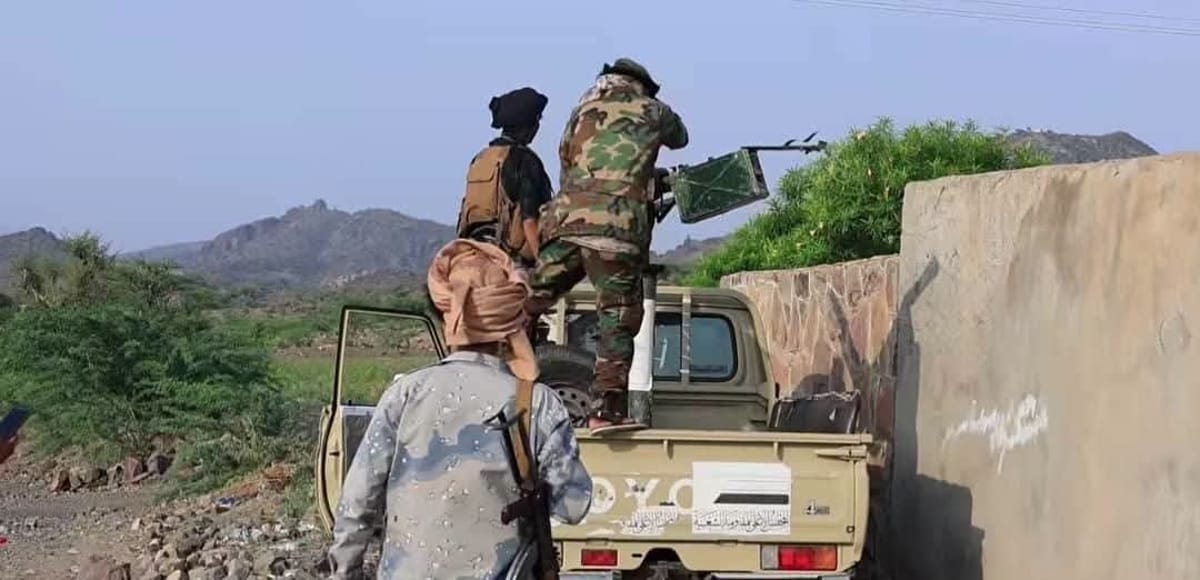
The military escalation in Yemen has entered a new phase with the expansion of confrontations between the Houthi group and Saudi-backed government forces, coinciding with an escalation of Houthi attacks on Saudi territory, particularly the capital Riyadh, and the intensification of airstrikes on the group's positions in a number of Yemeni governorates.
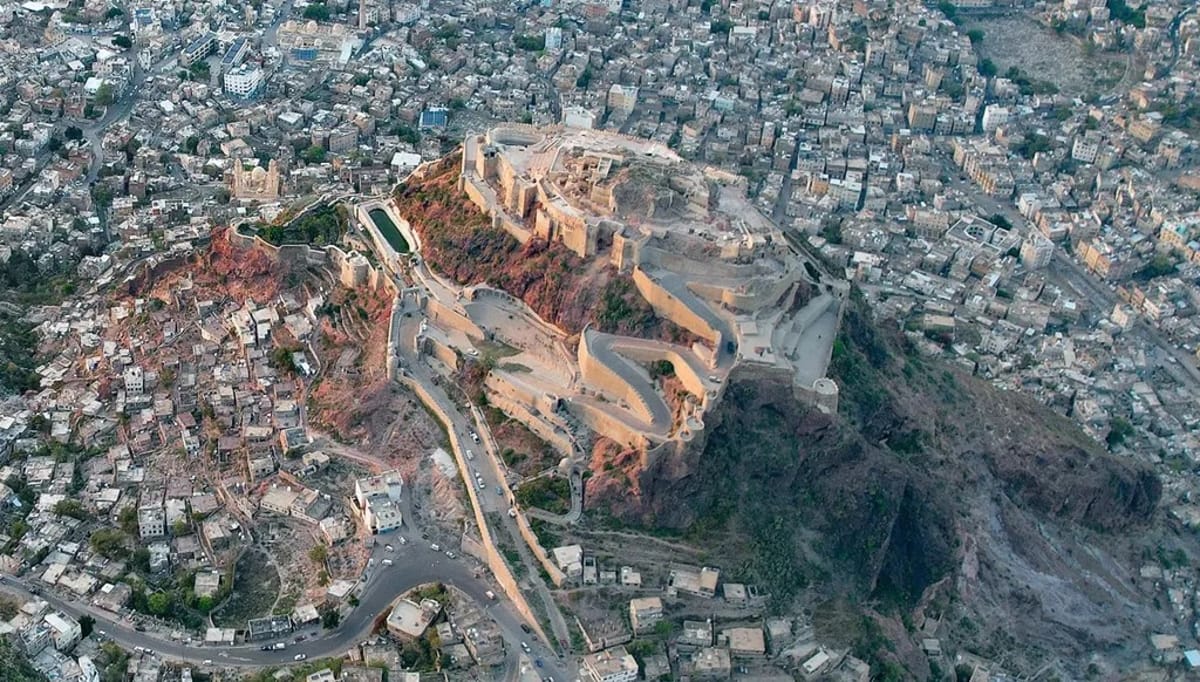
At the heart of this scene, the Taiz governorate emerges as one of the most complex fronts, not only due to the wide scope of fighting there but also because of its geographical location, which connects the interior highlands with the western coast, with its influence extending to the axes of Bab al-Mandab, Lahij, and Aden.
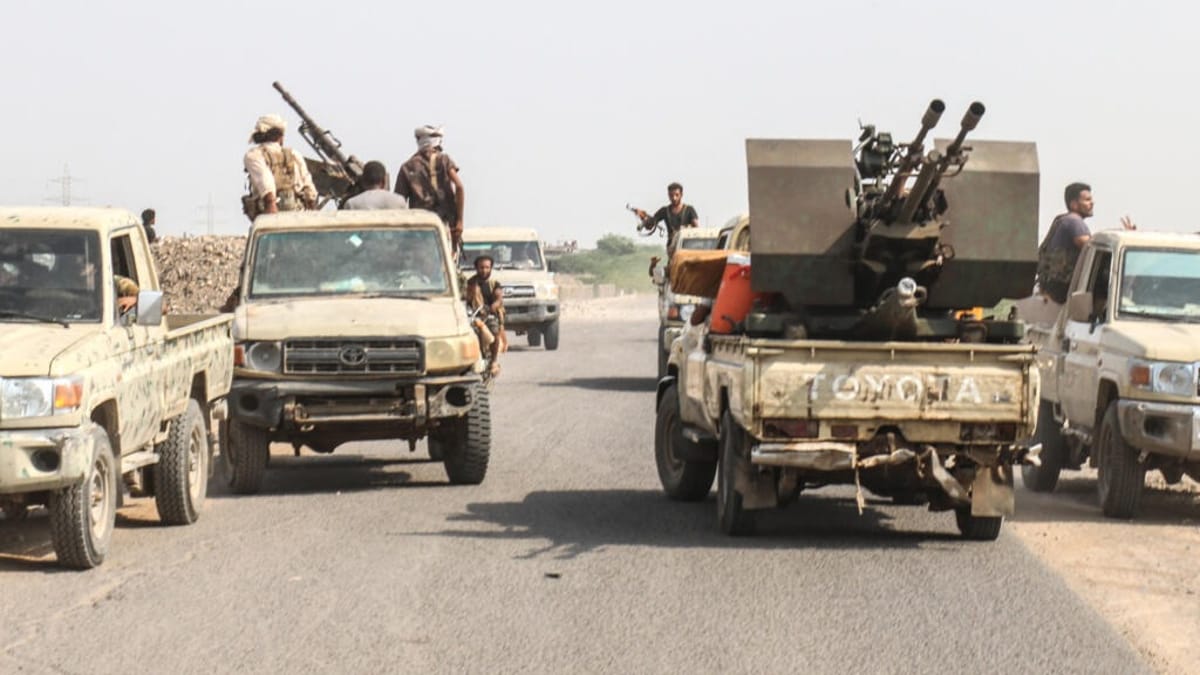
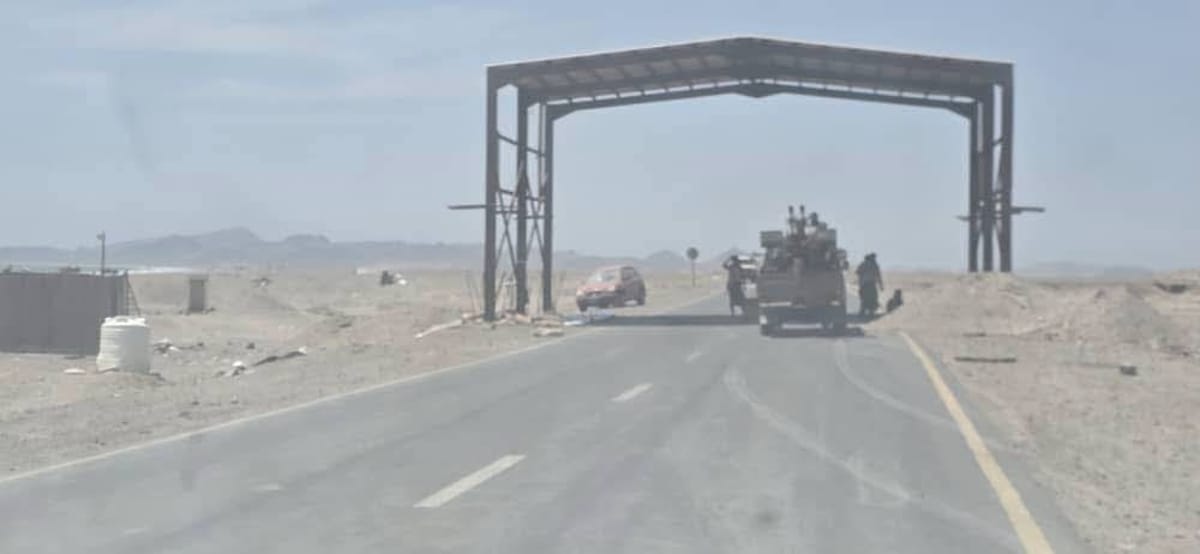
The importance of Taiz comes as government forces, as part of Operation «Fajr al-Yaman» (Dawn of Yemen), announced progress on several fronts, including al-Wazi'iyah and the capture of the Kahboub front overlooking Bab al-Mandab, while confrontations continue in parts of rural Taiz.
Simultaneous Escalation in Yemen and Saudi Arabia
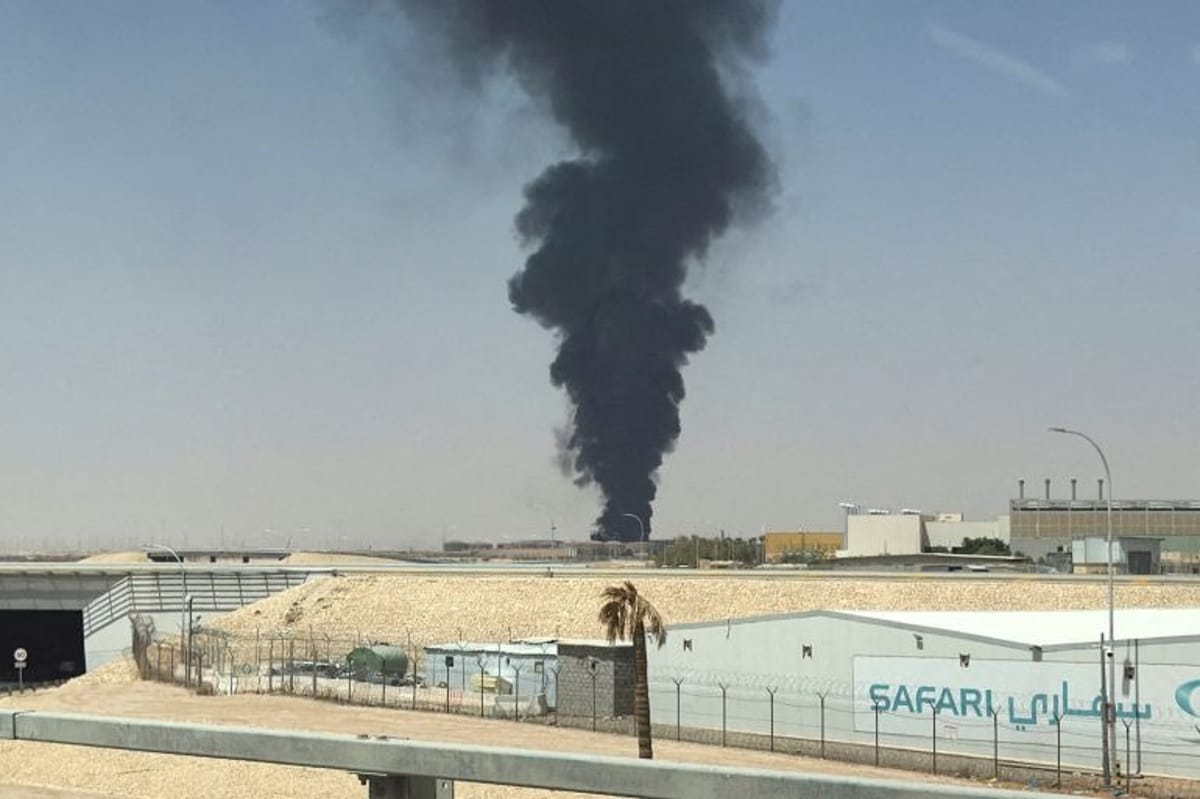
The developments in Taiz coincided with a new Houthi escalation towards Saudi Arabia. On Thursday, Saudi authorities announced the interception of ballistic missiles launched towards the Kingdom, while the Houthi group claimed it had targeted King Khalid International Airport in Riyadh.
Reports indicated that shrapnel from an intercepted missile caused material damage to a kindergarten and a medical complex in the Saudi capital, while media reports showed smoke rising from the vicinity of King Khalid Airport after a missile attack.
Reuters reported that the attack on Riyadh's airport caused a commercial aircraft to catch fire, at a time when Houthi attacks on Saudi Arabia have escalated in recent days.
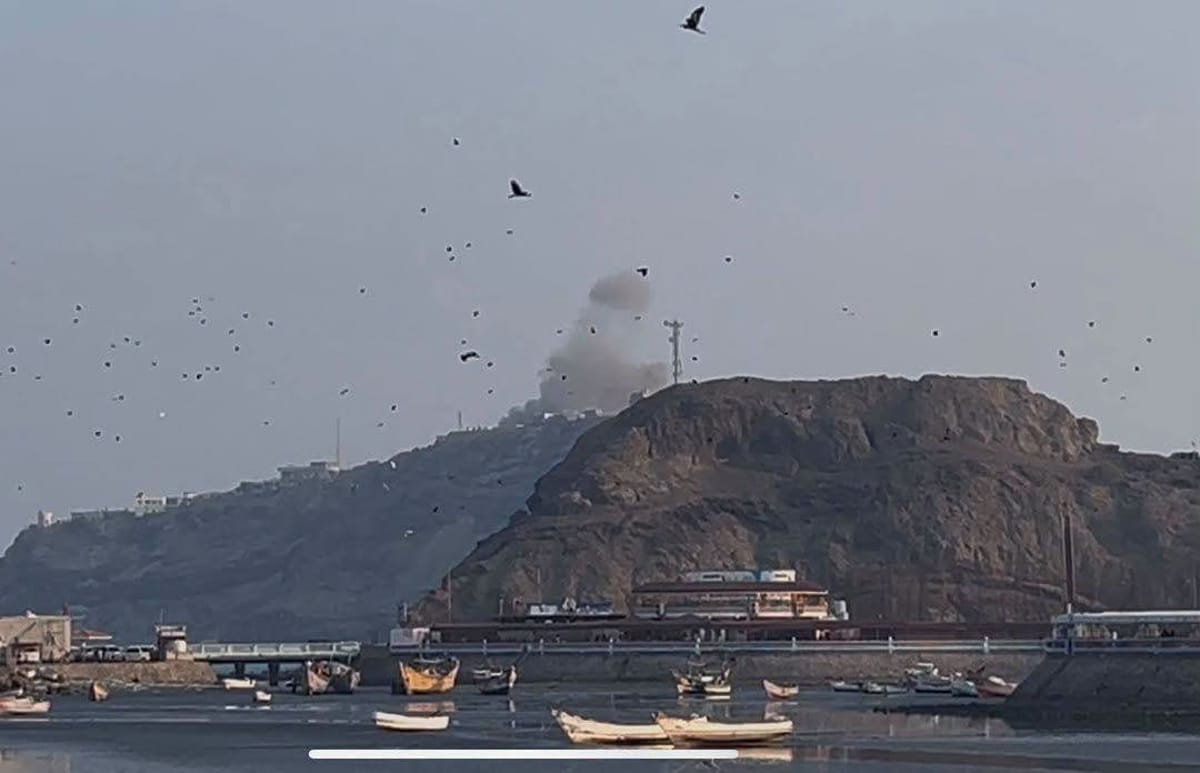
In response, Houthi-affiliated media said that Saudi aviation launched raids on sites in several Yemeni governorates, including Sana'a, Ibb, Al-Hudaydah, and Saada, while local and military sources reported that the scope of the raids expanded to include other areas.
This mutual escalation reflects the shift of the confrontation from specific Yemeni fronts to a broader regional scope, as government forces attempt to change the map of control on the ground.
Taiz.. The Battle within the Geography
In Taiz, military sources told «Almahriah Net» that the pace of confrontations has escalated in the districts of Al-Mawasit, Jabal Habashi, Al-Silw, and Al-Wazi'iyah, coinciding with military movements on the western coast and rural axes of the governorate.
These fronts gain their importance from the nature of the land itself. Taiz is not just a governorate with front lines, but a vast mountainous area that controls several movement and supply routes between the interior, the coast, and the south.
The most sensitive geographical arc extends from rural Taiz areas towards Al-Wazi'iyah and Kahboub, reaching Lahij and Bab al-Mandab. Therefore, controlling the highlands does not necessarily mean controlling a specific city or district, but it gives the controlling party a greater ability to monitor roads and corridors and control the movement of troops and supplies.
A military analysis by observers states that areas like Al-Wazi'iyah, Kahboub, Jabal Habashi, and Al-Kadahah represent an interconnected chain in the theater of operations, and that control over the highlands between the coast and rural Taiz is linked to securing movement routes towards Bab al-Mandab.
Kahboub and Al-Wazi'iyah.. Why Are the Mountains Increasingly Important?
Government forces, the Homeland Shield Forces, and the Giants Brigades announced control over the Kahboub front, while reporting progress in the Al-Wazi'iyah district, west of Taiz.
Kahboub is located in the Lahij governorate and includes a series of highlands overlooking Bab al-Mandab, giving it military importance in monitoring the axes leading to the strait and the western coast.
For government forces, consolidating control in Kahboub and pushing towards Al-Wazi'iyah could change the nature of the front lines in the southern and western parts of Taiz, especially if it coincides with movements in the governorate's rural areas.
However, controlling the highlands does not necessarily decide the battle; the mountainous terrain allows defending forces to use elevated positions and secondary paths, and it also makes advancement and consolidation operations more complex.
According to the Minister of Defense, the current government operation is proceeding in several stages, with forces currently engaged in the first stage along simultaneous paths in more than one theater of operations.
Yemeni Minister of Defense, Lieutenant General Taher al-Aqili, had stated that government forces aim to regain control of the Taiz fronts still under Houthi control, while operations are concentrated on the coast and its rear fronts, including Al-Wazi'iyah and areas in rural Taiz.
This coincides with the government forces' announcement that, as part of Operation «Fajr al-Yaman», they carried out 1,729 targeting operations against Houthi military targets, which they said resulted in the neutralization of 1,370 elements and the destruction or disabling of about 300 vehicles, equipment, gear, and military sites.
Airstrikes Span Six Governorates
Parallel to the ground operations, airstrikes on Houthi positions have expanded across several governorates.
Local reports monitored airstrikes in Al-Bayda, Ibb, Sana'a, Raymah, Al-Hudaydah, and Saada, in addition to news of military reinforcements heading towards the Taiz fronts being targeted.
In Al-Bayda, sources reported airstrikes in Mukayras, Dhi Na'im, Al-Zahir, Al-Bayda city, Al-Sawadiyah, and Rada'a, while pro-Houthi sources reported that the border district of Al-Dhahir in Saada was hit by an airstrike.
Sources also reported airstrikes in Yarim and Al-Sayani in Ibb governorate, the targeting of a communications network in Jabal Bard in the Kusmah district of Raymah, raids on sites in Bani Matar in Sana'a, and the targeting of the Al-Hudaydah airport vicinity.
Can Taiz Change the Course of the Battle?
A military expert from Sana'a, who preferred to remain anonymous for security reasons, said that the map of confrontations in Yemen is witnessing a notable expansion, having shifted from focusing on the western coast and rural Taiz to Ma'rib, Al-Jawf, and other fronts, coinciding with an unprecedented escalation of Houthi attacks on Saudi Arabia.
The expert added, in a conversation with «Almahriah Net», that this escalation presents Saudi Arabia with tougher choices, but he believes that "the Taiz fronts must be a top priority," given the governorate's location and its importance in reshaping the front lines.
He noted that the Yemeni Minister of Defense spoke of six stages for the military operation, and that the forces are currently in what he described as Phase 1 «B», explaining that this stage includes a number of military theaters and directions.
The Yemeni Minister of Defense, Lieutenant General Taher al-Aqili, had confirmed in statements to the Saudi channel «Al Ekhbariya» that all Taiz fronts besieged by the Houthi group will soon be under the administration and control of the legitimate government.
The expert believes that the weight of the battles is currently concentrated on the coast and its rear fronts, including Al-Wazi'iyah and several areas of rural Taiz, pointing to the announcement by government forces, the Homeland Shield Forces, and the Giants Brigades of their control over the Kahboub mountain range.
However, he stressed that consolidating military gains requires, in turn, reinforcing the Jabal Habashi fronts and recapturing the positions lost by government forces in rural Taiz, considering that these areas are not just scattered field points, but part of a geographical system of importance in any future battle towards Sana'a.
He explained that the battles are taking place on a series of strategic highlands extending from the heart of Taiz towards the south and west, connected to the Al-Maqatirah and Kahboub highlands northwest of Lahij.
According to the expert, controlling these highlands gives the dominant party greater ability to monitor movement and supply routes and control a number of corridors connecting the mountainous areas with the coast and southern cities.
He added that the importance of this geography is amplified by its topographical nature, as the highlands provide the advantage of overlooking low-lying areas, making their control, from a military perspective, more impactful than direct control over coastal areas, regardless of their economic or geographical significance.
He pointed out that Jabal Habashi, for example, gains special importance due to its location relative to the movement routes linked to Taiz city, especially under the current war conditions, while the highlands of Qadas, Al-Silw, and Al-Maqatirah add another dimension to the confrontation, given their southward extension and connection to the geography of Lahij and its nearby areas.
The expert believes that the importance of these fronts does not stop at the borders of Taiz governorate but extends to a broader geographical system that includes Lahij, Aden, coastal areas, and the movement corridors leading to Bab al-Mandab.
In this context, he poses a central military question: Can the Houthi group turn the breakthroughs it has achieved in some areas into a contiguous geographical strip that allows it to consolidate its positions for a long time? On the other hand, can government forces sever this connection, keep the fronts separate, and turn the mountainous terrain into zones of attrition for the attacking forces?
He believes that the answer to these questions will determine a significant part of the upcoming battle's course, especially if government forces can transition from defense to launching counter-operations, with Saudi air support, aimed at pushing the Houthis away from the positions where they are trying to consolidate their influence.
The expert warned that delaying support for the Taiz fronts could give the Houthis an opportunity to exploit existing gaps and penetrate deeper into the governorate's geography, allowing them to cut off movement and supply lines and strangle Taiz city, in addition to expanding their control over the corridors and highlands overlooking the city, coastal districts, and areas connected to Lahij, Aden, and Bab al-Mandab.
Saudi Arabia Faces a Test of Decision
In a parallel analysis, Adel Al-Shujaa, a member of the General People's Congress party's permanent committee, said on the «Ninth Hour» program on «Almahriah» channel that Saudi Arabia, despite the continuous attacks it faces, has not yet, in his estimation, fully grasped the magnitude of the threat posed by the Houthi group.
Al-Shujaa expressed his belief that the Kingdom is acting as if it is waiting to suffer a major and painful blow before starting its "real and decisive battle" against the Houthis.
He said that Saudi Arabia possesses significant military, economic, and political superiority, but that "imbalances within the legitimacy camp" have contributed to freezing the military situation, confining the battle to limited directions without simultaneously activating other fronts.
He pointed out that the confrontations on some fronts are still, in his view, more like sporadic skirmishes lacking field synchronization and a unified command decision, which limits their ability to pressure the Houthis and push them towards a negotiation path.
Al-Shujaa quoted political analysts expressing surprise at Saudi Arabia's continued policy of "absorbing the blows" without making a decisive decision on managing the battle, warning that continuing this approach could encourage the Houthis to expand the scope of their attacks.
He added that if the Kingdom were to suffer a major blow, it would have no choice, in his estimation, but to use its full military weight. However, he stressed that war management should not wait for a painful blow to act, nor should it make such a blow a condition to justify entering a large-scale confrontation.
In conclusion, Al-Shujaa considered that Saudi Arabia, as the leader of the Arab Coalition, has legal cover based on Security Council Resolution 2216. Therefore, the decision to take military action, in his view, does not need to await new approvals from "international chambers."
He warned that the continued lack of a decisive response could give the Houthis more room to expand their attacks and impose new facts on the ground, which could ultimately affect maritime security in the Red Sea, the Gulf of Aden, and the Arabian Sea.
Source: Almahriah Net