Taiz Under Siege Again: The Battle for Survival Extends from Roads to Markets and Hospitals
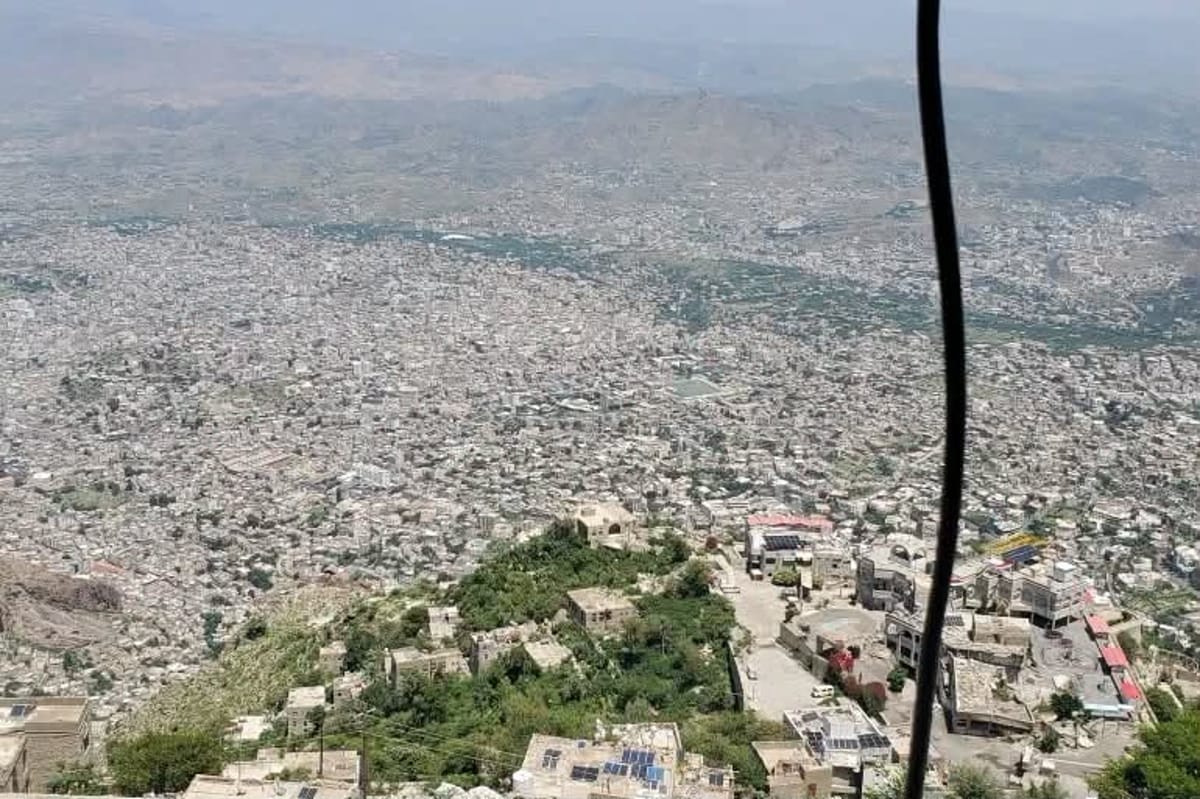
In Taiz, the effects of war are not limited to frontlines or closed roads. They extend to markets struggling to secure basic goods, hospitals facing the risk of medicine and fuel shortages, and families finding it harder to meet their daily needs amid the renewed Houthi siege and disrupted supply routes.
After more than 12 years of siege, the city of Taiz faces a new wave of pressure, with escalating confrontations on its outskirts and the closure of vital roads, according to official data. This threatens to worsen the food, medicine, and oil derivatives crisis, putting the residents' ability to continue their daily lives to a new test.
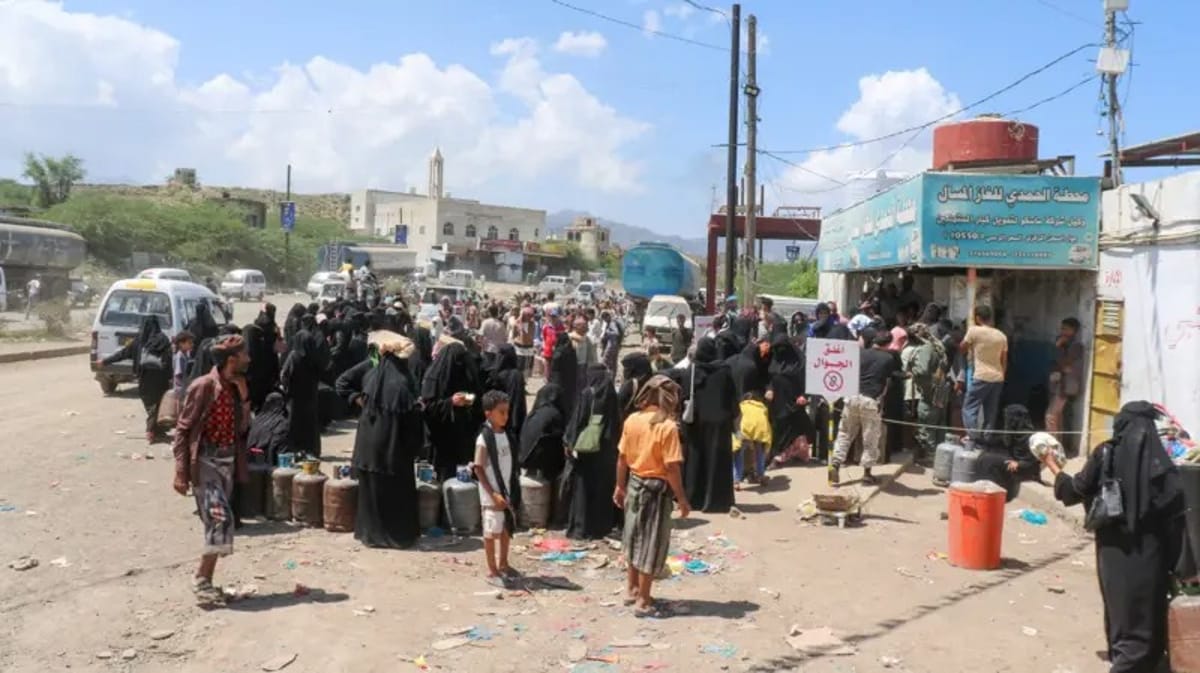
Although street activity suggests a semblance of normal life, developments in the markets reveal another side of the crisis. Local authorities report shortages of some goods and difficulties in delivering fuel and domestic gas, while shop closures and refusals to sell have prompted regulatory bodies to conduct field campaigns to combat hoarding and control prices.
From Road Closures to Market Disruption
The siege's impact is no longer limited to the difficulty of movement between the city and its surroundings. It is now directly linked to the arrival of food and basic goods to the markets, their regular distribution, and the citizens' ability to purchase them amid rising living costs.
In recent days, the local authority in Taiz has intensified its efforts to address supply imbalances. The First Deputy Governor, Abdulqawi Al-Mekhlafi, directed the opening of closed shops and the direct sale of food items to citizens at reasonable prices. He also ordered that goods arriving on trucks be sold in the wholesale market under the supervision of the Office of Industry and Trade.
The measures included opening a number of closed shops, as well as tightening control over food stocks and the movement of goods, in an attempt to curb monopolistic practices and ensure that basic materials reach consumers.
In the same context, the Industry and Trade Prosecution, in coordination with the Office of Industry and Trade, carried out a field campaign in markets, shops, and warehouses, and issued citations against a number of violating merchants and shops, according to a statement by the prosecution.
The Prosecutor for Industry and Trade, Judge Sami Al-Hajj, stated that the campaign aims to prevent the hoarding and concealment of goods and to compel shops that have stopped selling to resume their activities, emphasizing that legal action will be taken against violators.
These measures are not limited to regulating retail prices; they also include warehouses and major suppliers to verify the availability of goods and counter practices that could disrupt the market. These actions reveal the scale of the challenge authorities face in maintaining the flow of essential goods at a time of increasing supply difficulties.
Food and Fuel: Supplies Under Pressure
In an expanded meeting of the emergency committee, Taiz Governor Nabil Shamsan emphasized the monitoring of supplies of basic goods, oil derivatives, and domestic gas, and the intensification of market supervision to compel merchants to adhere to official prices.
The Deputy Governor for the Services Sector, Rashad Al-Akhali, reviewed the supply challenges resulting from the siege, pointing to the scarcity of some goods and the ongoing difficulties in delivering oil derivatives and gas to the city.
The governor also praised the efforts of the Hayel Saeed Anam Group in bringing food supplies into Taiz, a move he said contributes to strengthening supplies and alleviating the suffering of the population.
The importance of these regular supplies goes beyond the availability of food in stores. Fuel is essential for the continuity of transportation and services, and health facilities also depend on it to operate vital departments and medical equipment. Therefore, any prolonged disruption in its arrival could affect multiple sectors, at a time when the city is already suffering from the consequences of war and siege.
Hospitals Facing the Risk of Medicine Shortages
The concern extends from markets to health facilities. The Yemeni government's Ministry of Human Rights has warned that the closure of supply routes and disruption of shipments could exacerbate shortages of medicines, medical supplies, and fuel, threatening the continuation of essential health services.
The ministry stated that supply disruptions raise concerns about emergency services, surgeries, intensive care, kidney dialysis, and infant incubators, in addition to the difficulties faced by patients who need treatment outside the city.
In a parallel warning, Yemeni doctors abroad said that the imminent depletion of medicines, intravenous solutions, medical supplies, and fuel could threaten the continued operation of vital departments in Taiz's hospitals. They called for securing the arrival of life-saving supplies and opening roads for patients, ambulances, and medical staff.
The doctors called on the United Nations, the World Health Organization, the International Committee of the Red Cross, and medical and humanitarian organizations to take urgent action to assess health needs and ensure the continuity of essential services.
These warnings place the issue of medical supplies at the forefront of humanitarian concerns. The crisis is not just about the availability of medicine in pharmacies, but about the ability of hospitals to continue receiving critical cases and operating their departments, and the possibility for patients to access treatment in a timely manner.
An Old Siege and a New Escalation
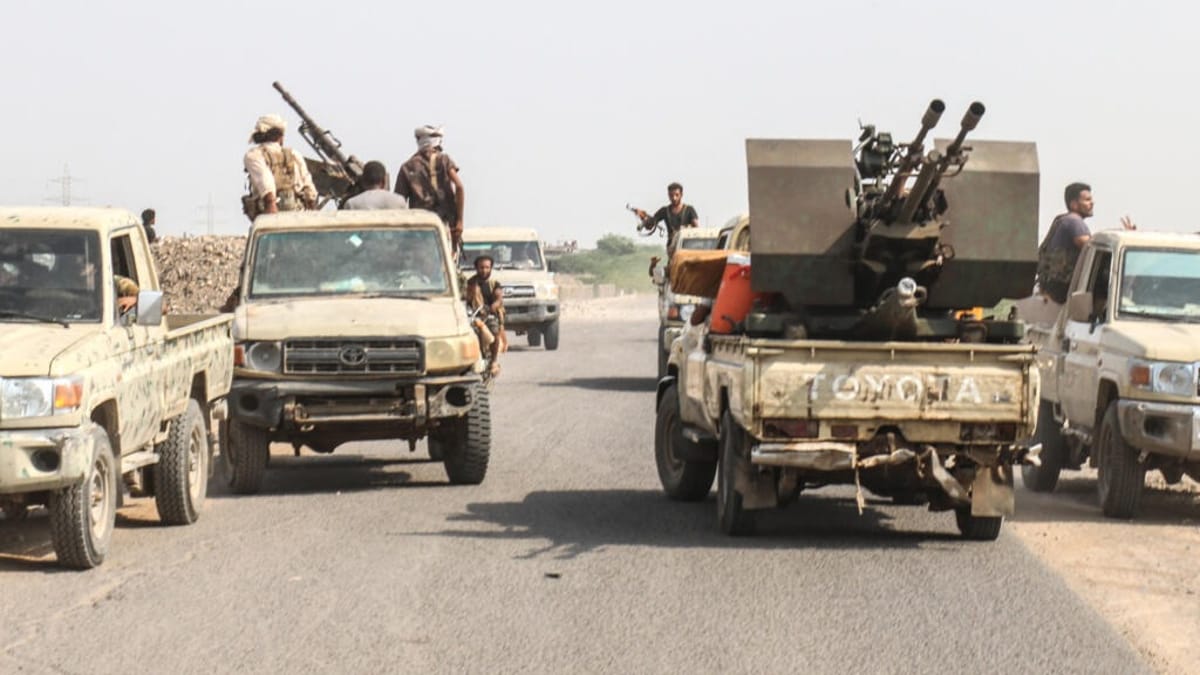
For years, government forces have controlled the center of Taiz city, while the Houthis are positioned in parts of its north and east. Last September, the escalation extended to the southern and western axes, coinciding with confrontations on the heights overlooking main roads and vital corridors.
The confrontations were spread across several fronts in the eastern, western, and northern parts of the governorate, amid fears that attempts to advance and control the highlands and roads would further isolate the city and disrupt the movement of supplies.
In this context, the Ministry of Human Rights stated that the Houthis' control of the road linking Taiz to supply outlets in other governorates, following attacks in the areas surrounding the city, has led to a halt in traffic and a disruption of supply deliveries.
The ministry considered that talk of opening roads is not enough unless safe freedom of movement and the actual arrival of goods to the population are guaranteed, warning that the continued closure exacerbates the consequences of the 12-year-long siege.
The Yemeni government holds the Houthi group responsible for closing supply routes and tightening the siege, while official warnings highlight the impact on civilians and essential services. Amid ongoing confrontations, securing safe corridors for the movement of people, goods, and medical supplies remains a crucial factor in preventing the crisis from worsening.
While the local authority seeks to enhance market supervision, open closed shops, and secure the arrival of goods, the ability of these measures to alleviate burdens remains linked to the continuous flow of supplies and the prevention of disruptions, as well as ensuring that food, medicine, and fuel reach the population at affordable prices.
Between a prolonged siege and renewed military escalation, Taiz's daily battle seems to extend far beyond the frontlines; it is a battle to secure food, access treatment, and preserve the bare minimum necessities of life.
Source: Almahriah Net - Open Sources