Not Just Taste: The Gut May Determine What the Brain Remembers About Food
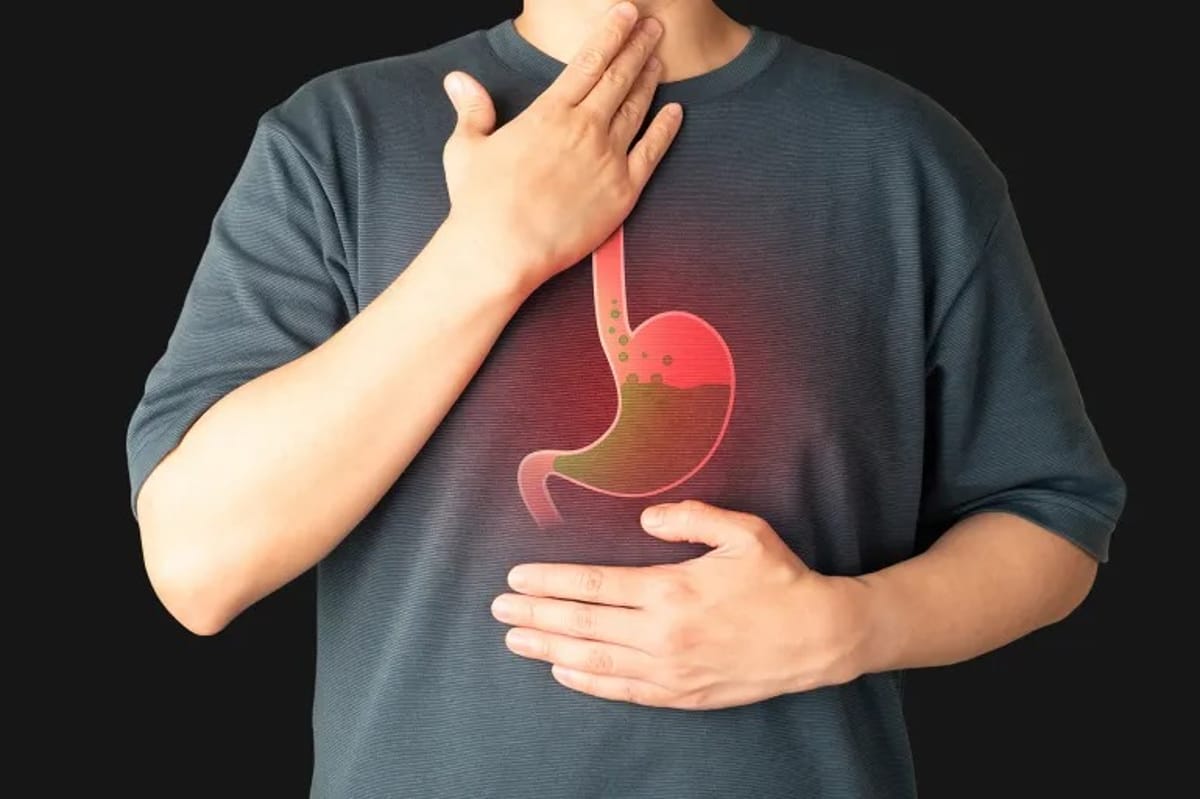
The gut is not just a tube for digesting food and absorbing nutrients; recent research reveals a complex neural and hormonal communication network linking the digestive system to the brain. In the latest chapter of this relationship, an experimental study suggests that signals from the gut may help the brain form memories associated with food and where to find it.
When we remember a meal we had at a restaurant, or recall a favorite eating spot, we might think that our senses and brain are solely responsible for forming this memory. The appearance, smell, and taste of the food, along with the surrounding sounds, are all information captured by the senses and processed by the brain.
But a recent study says that the formation of these memories may also depend on messages coming from within the body itself. After food enters the digestive system, the gut sends neural information to the brain, telling it that what was consumed contains nutrients worthy of having the associated experience stored in memory.
In experiments conducted on male rats, researchers found that consuming nutrients activates a neural pathway that starts in the digestive system, passes through the vagus nerve, and ends in a brain region that plays a central role in learning and memory.
A Highway Between the Gut and the Brain
The vagus nerve is one of the most important communication channels between the viscera and the brain. It extends from the brainstem to several body organs, including the heart, lungs, stomach, and intestines. Its role is not limited to sending commands from the brain to the organs; it also transmits sensory information from inside the body to the brain in the opposite direction.
These signals inform the nervous system, for example, about the presence of food in the digestive system, the extent of stomach distension, and the nature of certain nutrients that have reached the intestines.
The role of the vagus nerve in regulating digestion, appetite, and satiety has long been known. However, the new study suggests that its influence may extend to higher cognitive functions, including the formation of memories related to the event of eating.
Researchers focused on a brain region called the "hippocampus," which is a fundamental structure for memory formation, learning, and spatial navigation. They also studied a group of neurons located in an area called the "medial septum," which sends its projections to the hippocampus.
Acetylcholine: A Message to Record the Experience
Experiments showed that when rats ate food, it led to an increased release of a chemical called "acetylcholine" within the dorsal hippocampus. Acetylcholine is a neurotransmitter that nerve cells use to communicate with each other, and it plays an important role in attention, learning, neural plasticity, and the formation of new memories. Its increase during eating can be likened to a signal that helps the brain pay attention to the ongoing event and record the associated information.
The increase in acetylcholine was not limited to the eating period but continued for some time after the meal ended. This means that signals from the digestive system may continue to influence memory consolidation processes after eating. The researchers learned that the vagus nerve is what transmits this message after they severed the vagal nerve connection below the diaphragm.
The natural increase in acetylcholine within the hippocampus disappeared. A similar thing happened when they removed the group of cholinergic cells in the medial septum, which are the cells that produce acetylcholine and connect to the hippocampus. These findings indicate a communication chain that begins with nutrient signals in the digestive system, then travels via the vagus nerve to the brain, before activating cholinergic cells and increasing acetylcholine secretion in the hippocampus.
Does the Brain Remember Taste or Nutritional Value?
The researchers also wanted to know whether this brain activity resulted from the delicious taste of the food or from the presence of real nutrients and energy reaching the digestive system.
The results showed that consuming fats or sugars led to a clear memory-related response, whereas sweet-tasting liquids that were low-calorie or calorie-free did not produce the same neural response.
This means that the brain was not responding to the sweet taste alone, but to the information that comes after the nutrients reach the digestive system. The mouth tells the brain about the taste of food, while it seems the gut tells it about its actual nutritional value. From an evolutionary perspective, this mechanism may have a clear benefit: an animal that remembers where it found energy-rich or nutrient-dense food has a better chance of returning to that location and finding food again. Thus, remembering the location of food is not just a passing detail, but a behavior that aids survival.
Testing the Memory of the Meal's Location
The researchers did not just measure chemical activity in the brain; they also subjected the rats to a behavioral test to measure their ability to remember the location of the food.
The animals ate food inside a hidden tunnel in a maze and were then tested a short time later to see if they could remember the location where they found the meal.
The performance of rats whose vagus nerve was disabled, or whose acetylcholine-producing cells connected to the hippocampus were removed, was worse at remembering the food's location.
This reinforces the possibility that the discovered neural pathway does not just accompany eating but actually plays a functional role in forming the memory associated with the meal's location.
The Paradox of Fats and Sugars
One of the findings might seem puzzling at first glance. Acute consumption of fats and sugars led to strong activity in the memory-related pathway, but chronic exposure to a diet rich in them led to the opposite result.
Rats that consumed a Western-style diet rich in fats and sugars early in life later showed a weakened connection between the gut and the hippocampus, a reduced acetylcholine response after meals, and poorer performance in the food location memory test. Some of these changes persisted even after the animals were returned to a healthy diet in adulthood.
There is not necessarily a contradiction between the two results. The acute response to a specific nutrient differs from the effect of chronic exposure to an unbalanced dietary pattern. Nutrients may activate the neural pathway after a single meal, whereas a long-term diet rich in fats and sugars can weaken the sensitivity of this pathway or alter its function.
What Does the Satiety Hormone Have to Do With It?
Scientists also investigated the role of an intestinal hormone called cholecystokinin, which is released when nutrients, especially fats and proteins, reach the small intestine. This hormone helps regulate digestion and sends satiety signals via the vagus nerve.
In the study, administering it led to increased acetylcholine activity in the hippocampus, but this response disappeared when the vagus nerve was cut or the cholinergic cells in the medial septum were removed.
This finding suggests that hormones we typically associate with digestion and satiety may also indirectly affect learning and memory systems.
Do the Findings Apply to Humans?
Here, one must proceed with caution. The study was conducted on male rats, and some experiments used surgical and neural interventions that cannot be applied in the same way to humans. The tests also focused on recent spatial memory related to food location and did not test all types of memory.
Therefore, the results do not prove that eating a specific food will strengthen human memory, nor do they mean that memory impairment is necessarily caused by a dysfunction in the gut or the vagus nerve. They also do not justify the use of dietary supplements or commercial products that claim to activate the gut-brain axis.
Furthermore, the potential effect of the Western diet should not be reduced to a single pathway. Diets rich in fats and sugars can affect the brain through multiple mechanisms, including metabolic disruption, inflammation, altered hormonal signals, and changes to the gut microbiome, in addition to the potential effect on the vagus nerve.
The study's primary importance lies in identifying a potential biological mechanism that can be tested in humans in the future, not in providing a ready-made therapeutic recommendation.
A New Window into Understanding Memory
The results also draw attention to acetylcholine, as disruption of cholinergic signals in the hippocampus is one of the neural changes observed in some neurodegenerative diseases, including Alzheimer's disease. However, the link between the study and Alzheimer's treatment is still hypothetical and premature.
Researchers will need to determine if the same pathway exists in humans, the extent to which it is affected by age, diet, obesity, and diabetes, and whether improving the gut-brain connection can actually protect cognitive functions.
The study thus adds a new piece to an expanding picture: memory is not a process that occurs in isolation from the rest of the body. The brain integrates information from the external world, such as sight, smell, and taste, with signals from inside the body, such as hunger, satiety, and the arrival of nutrients in the digestive system.
The gut may not be where memories are stored, but it might help the brain identify which food experiences are worth recording. The transition from these experimental results to human health still requires many more studies, but the scientific message has become clearer: the relationship between food and memory does not begin and end in the brain, but may also pass through the gut and the vagus nerve.
Source: Al Jazeera Net