International Organizations Warn of Worsening Yemen Crisis, Call for Urgent Funding
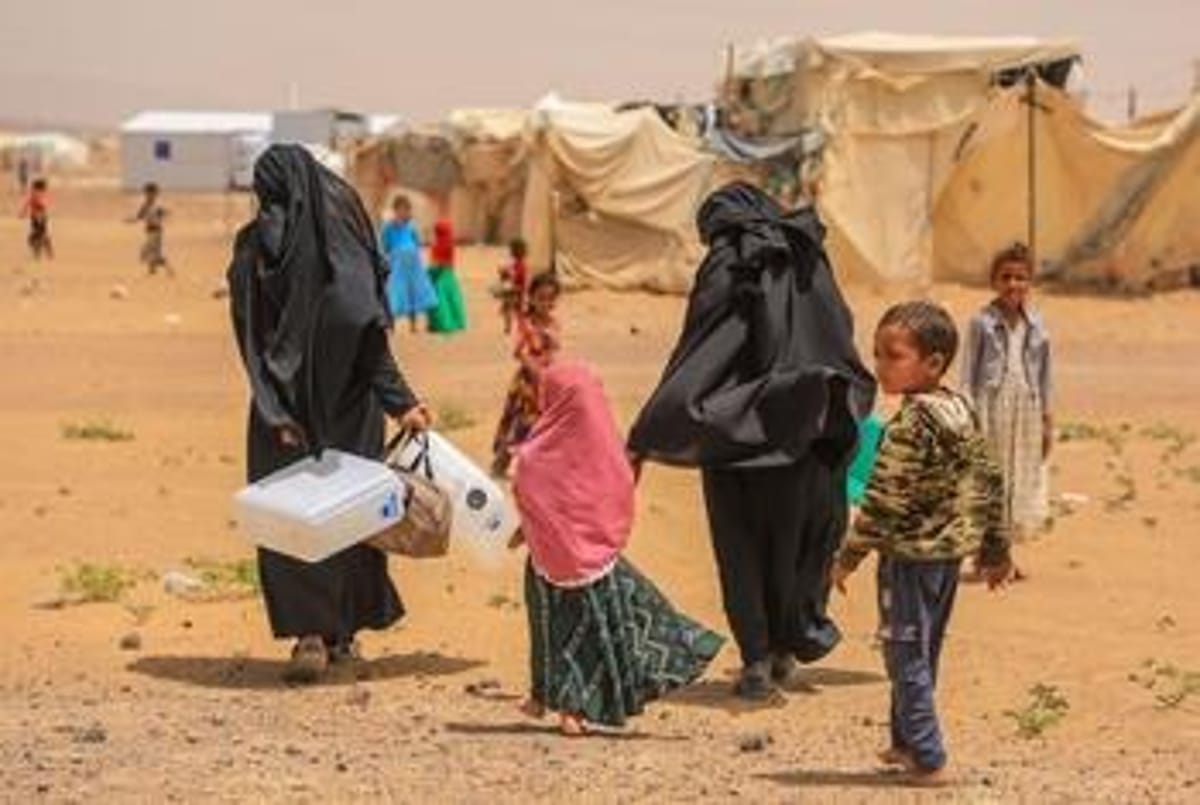
Humanitarian, development, and civil society organizations warned on Wednesday of the worsening humanitarian crisis in Yemen, calling on the international community to increase funding and protect aid access, amid the continued deterioration of economic conditions and escalating humanitarian needs.
This came in a joint statement issued by several organizations, including Oxfam, the International Rescue Committee, the Danish Refugee Council, CARE International, and Doctors of the World, coinciding with the 81st session of the UN General Assembly in New York.
The organizations stated that 22.3 million people in Yemen need humanitarian assistance and protection, while 18.3 million people suffer from acute food insecurity, including over 2.2 million children under five and 1.3 million pregnant and breastfeeding women who are acutely malnourished.
The statement added that the latest Integrated Food Security Phase Classification (IPC) analysis in areas under the Yemeni government's control projects that 5.4 million people will be in Crisis phase or worse between June and September 2026, including 1.6 million in the Emergency phase.
It noted that the latest IPC projections for areas under the Sana'a authorities, covering the period from September 2025 to February 2026, estimated the number of people in Phase 3 or higher at about 12.8 million, including more than 41,000 in the Catastrophe phase.
The organizations emphasized that the lack of recent and comprehensive data on the food situation in northern Yemen does not mean a decrease in needs, stressing the importance of continued independent needs assessments and data collection across the country.
Increasing Displacement
The organizations warned that regional tensions and renewed fighting within Yemen threaten civilians and the fragile gains made since the 2022 truce.
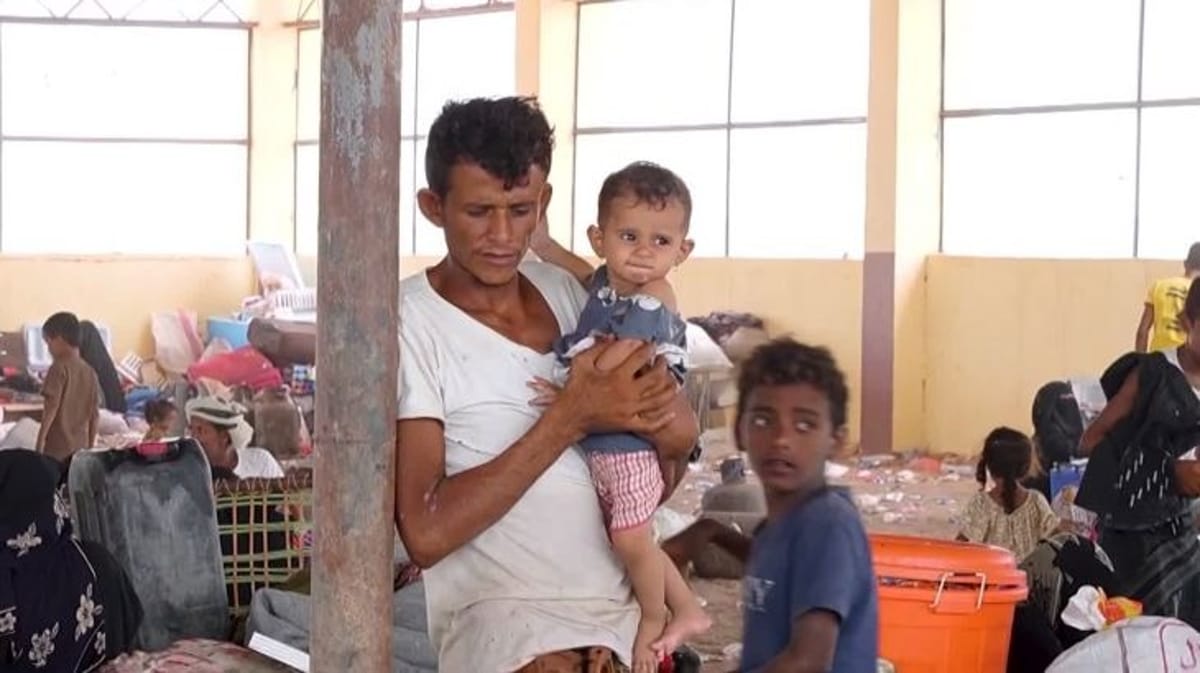
It said that the International Organization for Migration's (IOM) Displacement Tracking Matrix had recorded, as of this September 18, the displacement of more than 120,000 people since the current escalation began last June, particularly in the governorates of Taiz and Lahj.
It pointed out that this figure does not represent a comprehensive national total, but rather the movements that the IOM was able to monitor, confirming that the numbers of registered displaced persons are still rising.
It called on all parties to de-escalate, protect civilians and civilian facilities and infrastructure, and avoid dragging Yemen into further regional conflict.
Response Funding
The organizations explained that the 2026 Humanitarian Needs and Response Plan for Yemen seeks to provide $2.16 billion to reach about 12 million people, including 9.4 million targeted for life-saving assistance.
It warned that a lack of funding threatens to scale back nutrition, health, water, sanitation, education, protection, and cash assistance services, in addition to reducing the capacity of local and international organizations to respond to new crises.
The statement stressed that addressing the crisis should not be limited to humanitarian aid, noting the need to support basic services, livelihoods, and the local economy in parallel with relief efforts.
Economic Deterioration
The organizations linked the deteriorating humanitarian situation to the country's economic crisis, pointing to World Bank estimates that Yemen's real GDP contracted by 1.5 percent during 2025, with a further contraction of 0.5 percent expected in 2026.
It added that government revenues have fallen to 5.6 percent of GDP, while weak revenues, salary disruptions, and rising living costs are eroding household purchasing power.
It warned that disruptions to supply routes and rising shipping costs linked to regional tensions are increasing pressure on a country heavily dependent on imports for essential goods.
Food, Health, and Water
According to the statement, 14.4 million people will need water, sanitation, and hygiene (WASH) assistance during 2026, while only 59.3 percent of health facilities are fully functional.
The organizations said that the decline in water and sanitation services increases the risk of diseases, at a time when health facilities in various areas are facing shortages of medicines, nutritional supplies, staff, and operational support.
It also warned that women, girls, and children face additional risks when basic services decline, including difficulty accessing healthcare, nutrition, and protection services.
Call to Protect Humanitarian Workers
The organizations demanded the immediate, safe, and unconditional release of UN, humanitarian, civil society, and diplomatic mission staff whom they described as being arbitrarily detained by the de facto authorities in Sana'a.
It also called on all parties and authorities to ensure safe and sustained humanitarian access, protect local and international workers, and remove administrative restrictions that impede aid delivery.
It called on the international community to press for de-escalation and the resumption of a comprehensive, UN-sponsored Yemeni political process, as well as the protection of civilian infrastructure, including schools, hospitals, water networks, roads, ports, and airports.
In conclusion, the organizations called on donor countries and international financial institutions to increase funding for the humanitarian response, maintain basic services and livelihoods, and invest in water infrastructure, renewable energy, and climate change adaptation to help mitigate the worsening humanitarian needs in Yemen.
Source: International Organizations