UN Warns of Escalating Fighting Near Bab al-Mandab, Calls for Protection of Red Sea Navigation

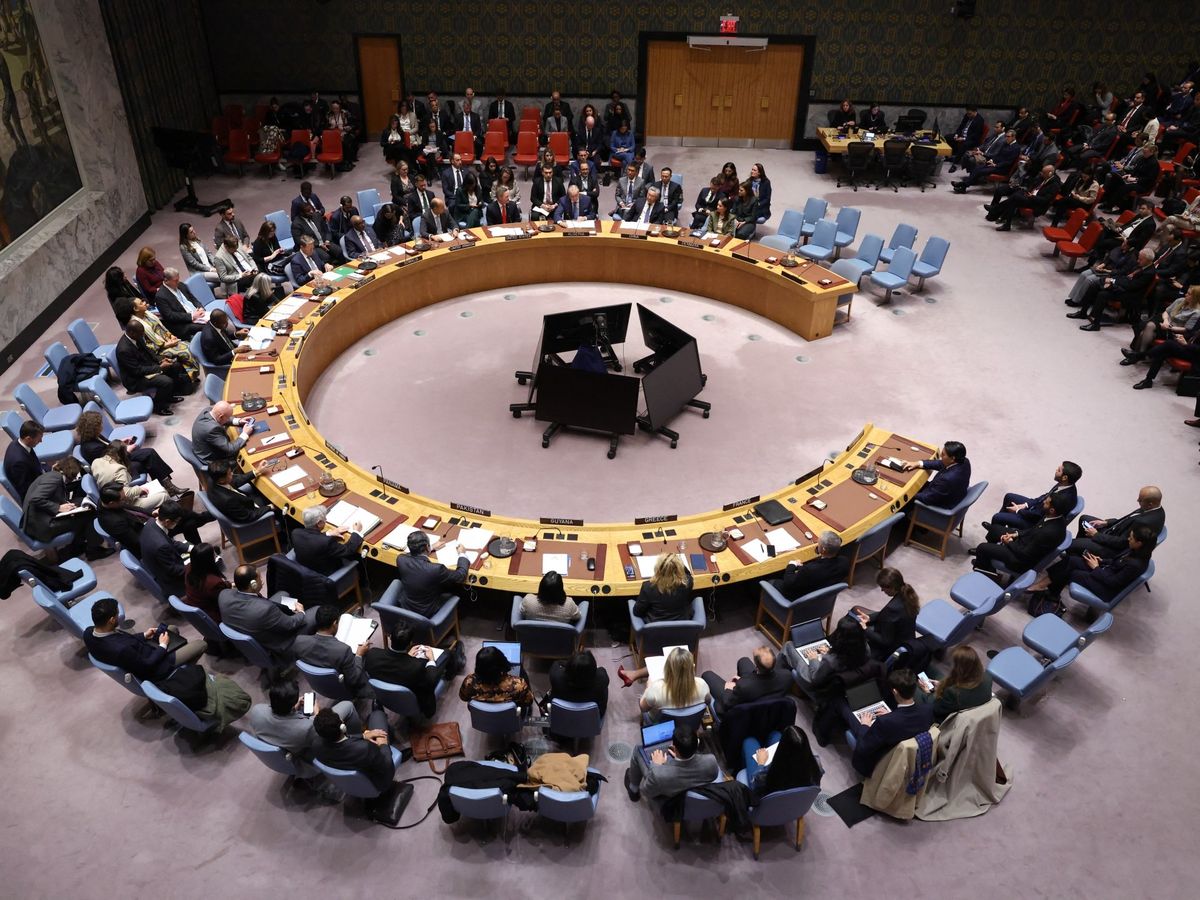
During an emergency session of the Security Council, the United Nations warned that escalating fighting in Yemen, particularly on the west coast, raises concerns about the security of the Red Sea and the Bab al-Mandab Strait, calling for de-escalation and the protection of freedom of navigation in the international waterway.
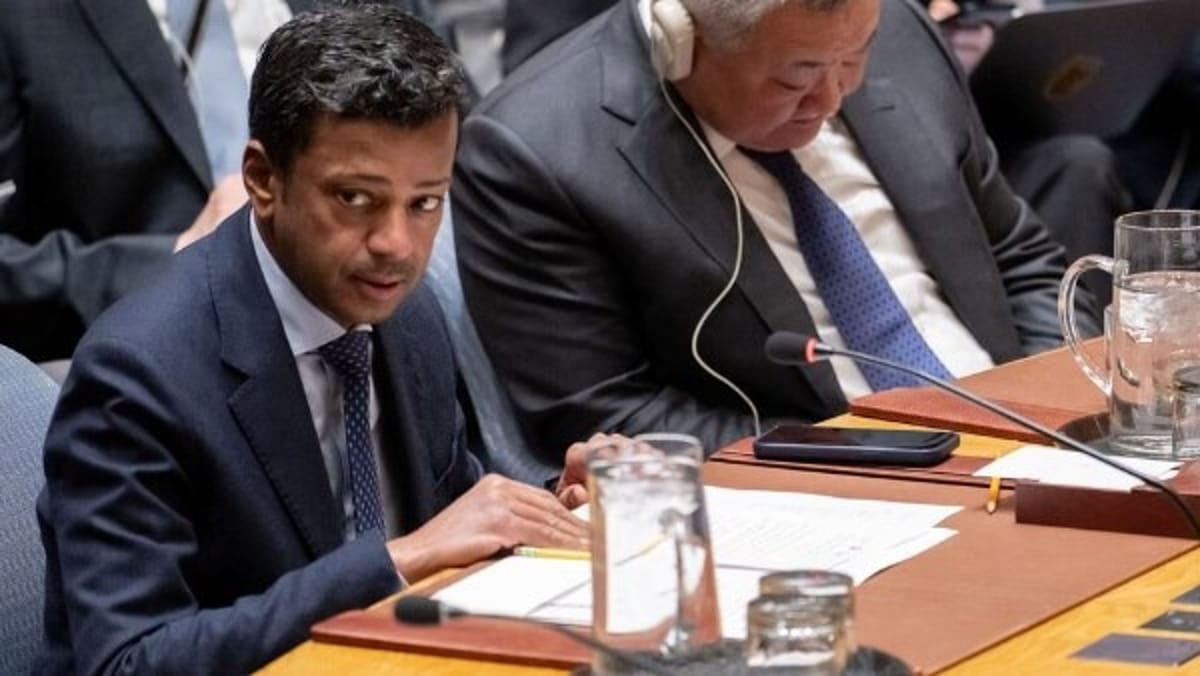
Khaled Khiari, Assistant Secretary-General for the Middle East, Asia and the Pacific in the Departments of Political and Peacebuilding Affairs and Peace Operations, said that the situation in and around the Bab al-Mandab Strait has become "more volatile" in recent days, coinciding with the escalation of fighting on the west coast of Yemen and growing concerns about its repercussions on civilians, humanitarian operations, and vital maritime corridors.
Khiari stressed that the developments around Bab al-Mandab highlight the urgent need to prevent the conflict in Yemen from further threatening Red Sea security, calling for continued engagement to de-escalate tensions, prevent further escalation, and protect freedom of navigation.
He emphasized the need for Yemeni parties to prioritize dialogue and engage constructively with UN-led efforts to reach a negotiated political settlement.
Khiari said that the Houthis have continued their advance towards the Bab al-Mandab Strait, while reports indicated they have seized several islands in the southern Red Sea.
According to maritime traffic tracking sites, the movement of commercial ships through the Red Sea currently appears unaffected, but the developments have increased market concerns, coinciding with ongoing disruptions in the Strait of Hormuz.
He added that the Yemeni government launched a counter-attack following the Houthis' advance last week, with local clashes recorded in Ma'rib, Lahj, Al-Jawf, Hajjah, Al-Bayda, and Sa'ada, while the counter-operation, which reportedly included intense airstrikes, also extended to Ta'iz.
Unconfirmed estimates indicate hundreds of casualties among fighters in recent days.
125,000 displaced since the beginning of September
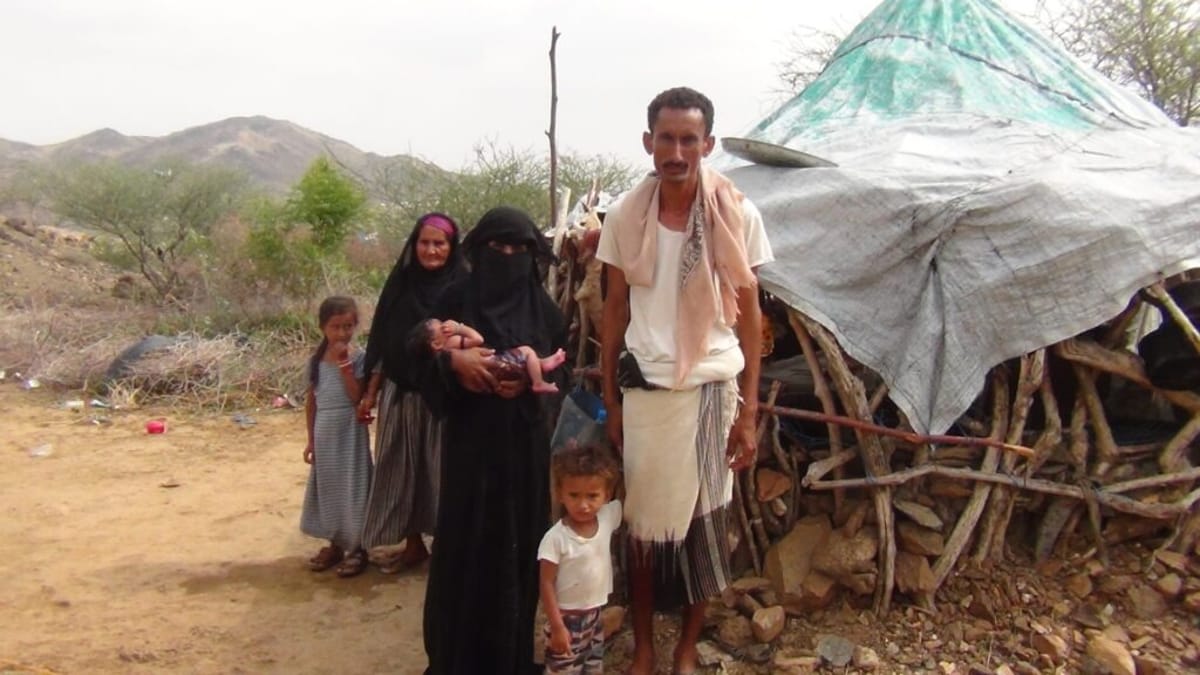
On the humanitarian front, Khiari said the escalation has led to displacement, deaths, and injuries, while placing humanitarian operations, already under significant pressure, under even more strain.
The United Nations Office for the Coordination of Humanitarian Affairs (OCHA) warned that at least 125,000 people have been displaced across Yemen since the beginning of this month.
During the same period, the UN Human Rights Office reported 40 civilian casualties, including eight killed and 32 injured, noting that women and children accounted for half of the dead and more than half of the injured.
In Djibouti, Khiari said UN teams are working with the government in response to the arrival of people fleeing the latest wave of escalation in Yemen. As of September 14, about 2,300 people had arrived in the Obock region of northern Djibouti, with registration ongoing and more arrivals expected.
He called on all parties to protect civilians, respect international humanitarian law, and facilitate safe and unimpeded humanitarian access to ensure the delivery of urgent aid to communities in need.
Khiari reiterated the UN's condemnation of Houthi cross-border attacks on civilian infrastructure and the energy sector in Saudi Arabia, stressing the need to restore and respect the rights and freedoms of navigation in the Red Sea and the Bab al-Mandab Strait in accordance with international law and relevant Security Council resolutions, including Resolution 2722.
Source: UN News