Egypt Announces 8 Logistic Corridors to Link Red and Mediterranean Seas
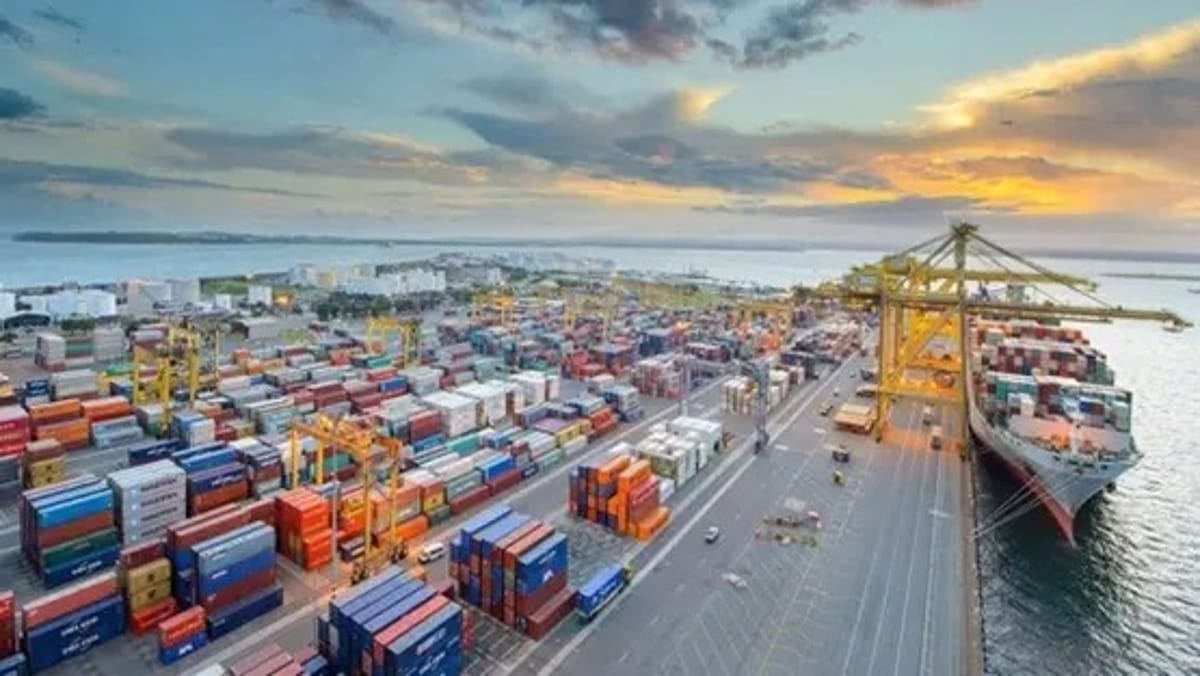
Egypt has announced the implementation of 8 integrated logistic corridors connecting the Red Sea and Mediterranean Sea ports with the Suez Canal, dry ports, and industrial, agricultural, and mining areas, as part of its plans to enhance the transport and transit trade sector.
Egyptian Minister of Transport, Kamel El-Wazir, stated during Egypt's celebration of World Maritime Day 2026 in Alexandria that the new corridors aim to connect Egypt with the markets of the Gulf, the Levant, Africa, Europe, and Asia, through railway networks, the high-speed electric train, and land roads.
The eight corridors include: Arish–Taba, Sokhna–Alexandria, Safaga–Qena–Abu Tartur, Cairo–Alexandria, Tanta–Mansoura–Damietta, Gargoub–Salloum, Cairo–Aswan–Abu Simbel, and Berenice–Aswan–East Oweinat–Kufra–N'Djamena.
The minister explained that the maritime transport development plan aims to transform Egyptian ports into integrated logistics centers by developing the Red and Mediterranean Sea ports and establishing 5 new ports, bringing the total number of commercial ports to 19.
The plan includes adding about 70 kilometers of new berths, with depths ranging from 18 to 25 meters, increasing the total length of berths to over 100 kilometers, in addition to constructing 35 kilometers of breakwaters, developing navigational channels, and expanding the fleet of marine tugboats.
The minister noted that Egyptian ports handled about 233 million tons of goods during 2025, an increase of 12% compared to the previous year, while container handling rose to 11.1 million TEUs (twenty-foot equivalent units), with an annual growth of 25%.
He added that Egypt has advanced in the Liner Shipping Connectivity Index of the United Nations Conference on Trade and Development (UNCTAD), ranking 19th globally in 2025, up from 23rd in 2024, while ranking first in Africa and second among Arab countries.
The Egyptian government aims to be among the top 15 countries globally in the index by 2030, in conjunction with plans to expand port infrastructure, increase operational capacities, and attract global shipping lines.
Egypt also aims to expand its commercial maritime fleet to about 40 ships by 2030, capable of transporting about 30 million tons of goods annually, alongside continuing efforts in digital transformation, reducing emissions from the maritime transport sector, developing green ports, and using lower-emission fuels.
Source: Daily News Egypt