Human Rights: Over 250 Killed, 360 Injured, and Nearly 200,000 Displaced by Houthi Escalation
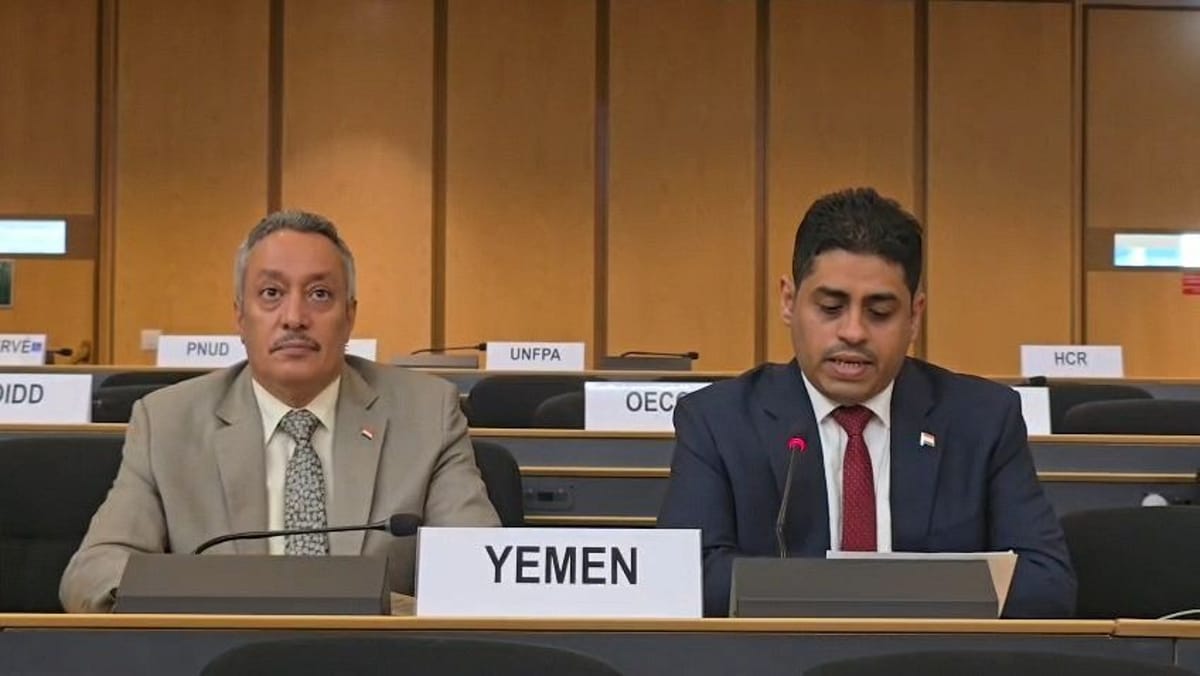
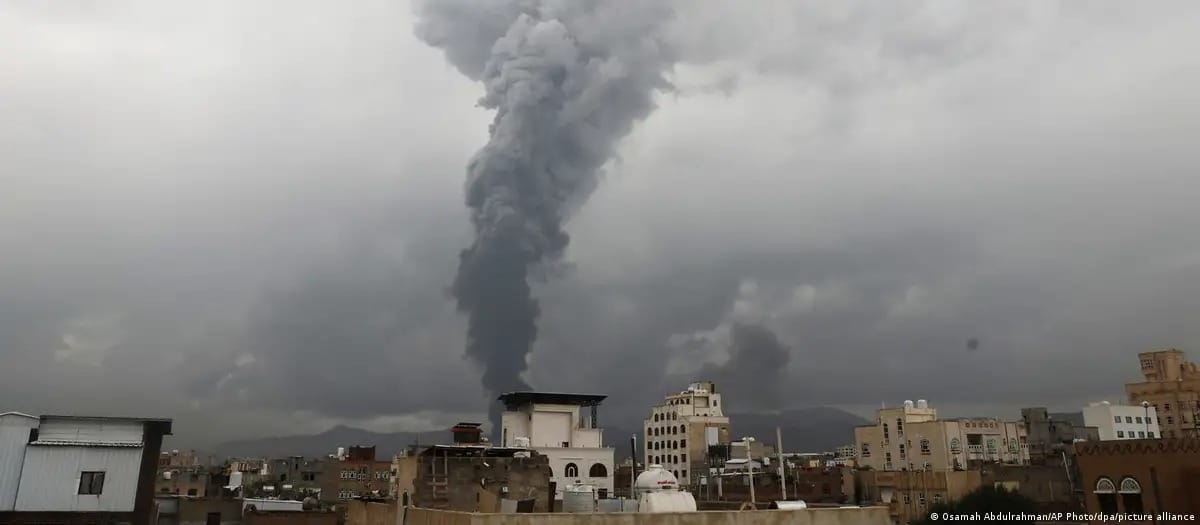
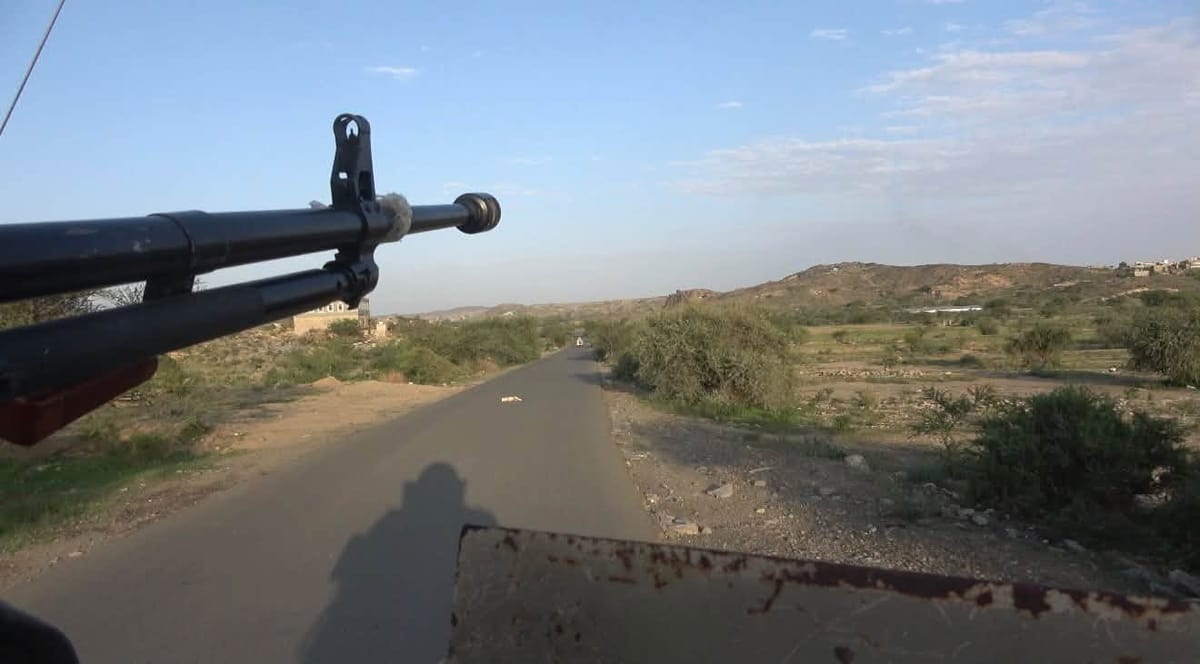
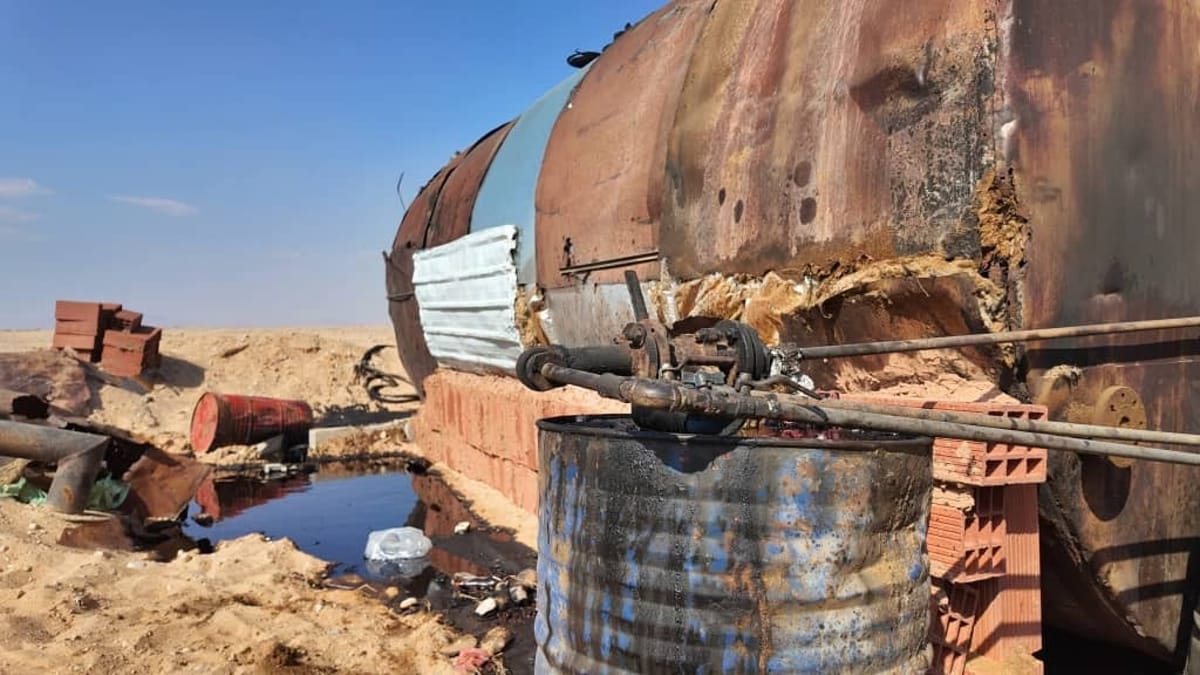
Yemen's Minister of Human Rights, Mishal Omar, stated that the Houthi group's recent wave of escalation has resulted, according to preliminary figures up to September 30, in the deaths of over 250 civilians and the injury of more than 360 others, while nearly 200,000 people have been displaced.
The minister's remarks came during the Republic of Yemen's speech to the United Nations Human Rights Council at its 63rd session in Geneva, where he reviewed the escalation's impact on civilians and health and educational facilities, along with issues of child recruitment, exploitation of migrants, detention of UN and humanitarian staff, and threats to international navigation.
Omar said the Ministry of Human Rights had received information about 50 killed and injured victims from an attack on convoys of displaced people fleeing from Hays towards Al-Khawkha. He also mentioned the killing of three children in an attack on the village of Al-Tarirah in Taiz governorate on September 17, including a girl who was not yet one and a half years old.
He added that about three thousand people have reached Djibouti as the escalation continues and the humanitarian situation worsens.
In the education sector, the minister said that the escalation since September 3 has led to the closure or suspension of studies in 243 schools, affecting more than 140,000 students. Studies have also been halted in 29 schools in the Jabal Habashi district of Taiz governorate, in and near confrontation areas.
In the health sector, Omar noted the disruption of services in 26 health facilities supported by the United Nations Children's Fund (UNICEF) in Taiz, Al-Hudaydah, Marib, and the West Coast, which has affected civilians', displaced persons', wounded, and patients' access to healthcare.
He also spoke of the looting of warehouses, clinics, and medical facilities funded by the King Salman Humanitarian Aid and Relief Centre, and the targeting of the Saudi field hospital in attacks that hit Al-Khawkha, the port of Mocha, and other civilian and service facilities.
The minister addressed the recruitment and use of children in the conflict, stating that the Houthis use schools, summer camps, and other civilian facilities for mobilization, indoctrination, and recruitment. He noted that the United Nations has documented cases of child recruitment and their use in military and field roles.
Regarding navigation, Omar said that targeting commercial ships in the Red Sea and Bab-el-Mandeb has become a threat to freedom of navigation, international trade, sailor safety, and supply chains. He added that continued maritime threats increase transportation and insurance costs and affect the flow of goods and humanitarian aid.
He also pointed to the continued detention of UN staff, humanitarian workers, and civilians, stating that the United Nations confirmed in June that 73 of its staff members remain in Houthi custody, with one staff member having died during detention.
The Minister of Human Rights called on the Human Rights Council and member states to support and adopt the draft resolution on providing technical assistance and capacity-building to Yemen in the field of human rights, including technical support for the National Commission to Investigate Alleged Violations of Human Rights.
He affirmed the Yemeni government's commitment to cooperating with the Human Rights Council and the Office of the UN High Commissioner for Human Rights, and to continuing efforts to protect civilians, children, and migrants, and to promote accountability.
Source: Saba Net