UN Warns of Worsening Humanitarian Situation in Taiz After 20 Days of Isolation
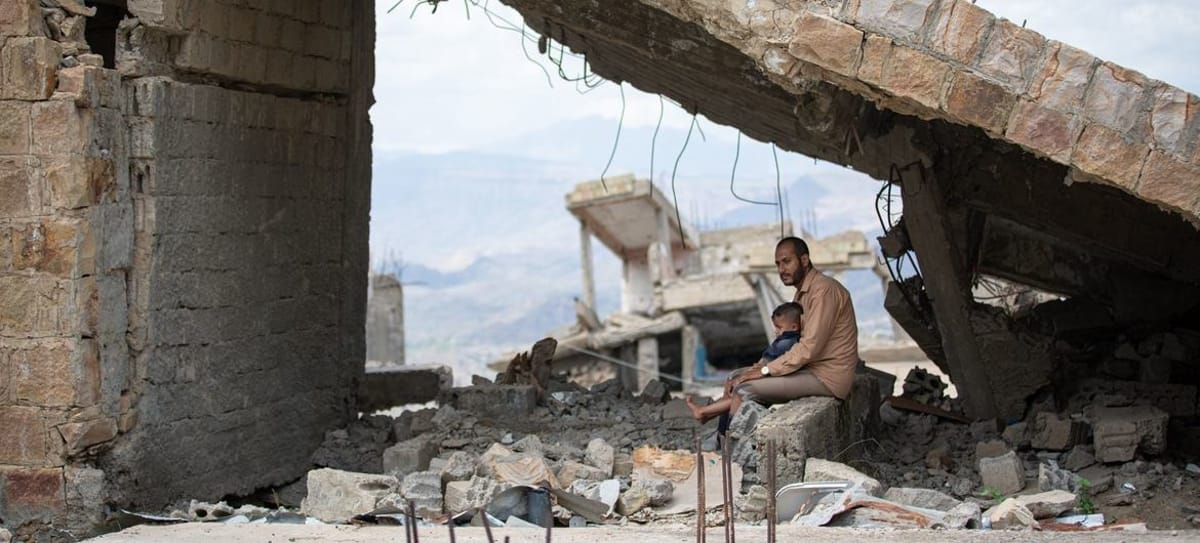
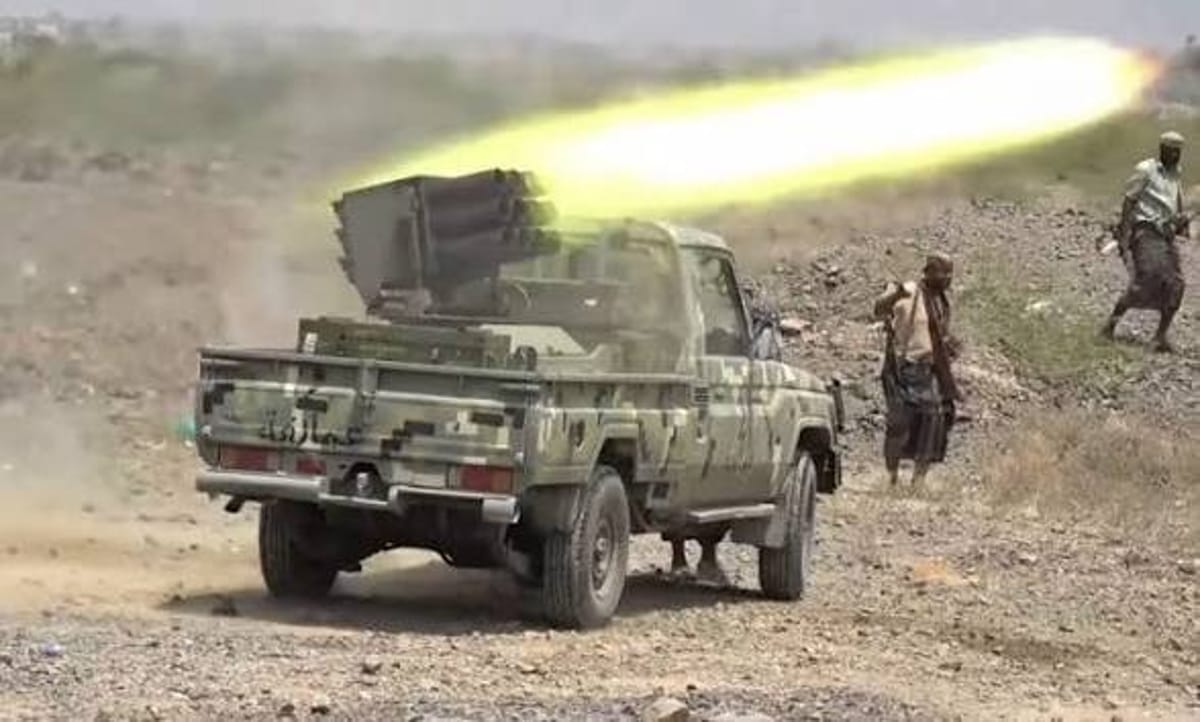
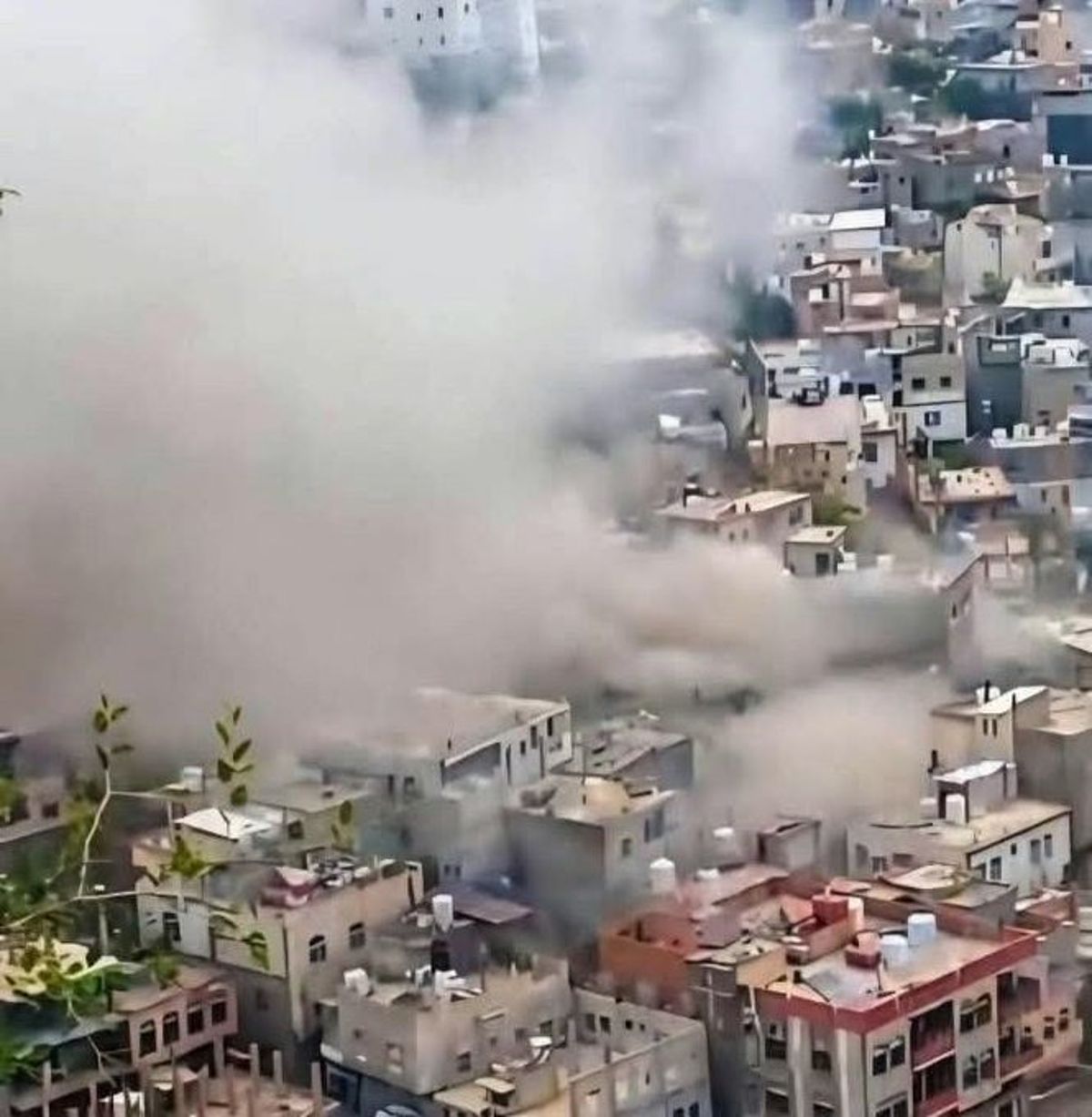
The United Nations has warned of the deteriorating humanitarian situation in the city of Taiz, 20 days after its isolation and the continued closure of roads leading to it, which obstructs aid access and limits residents' ability to leave.
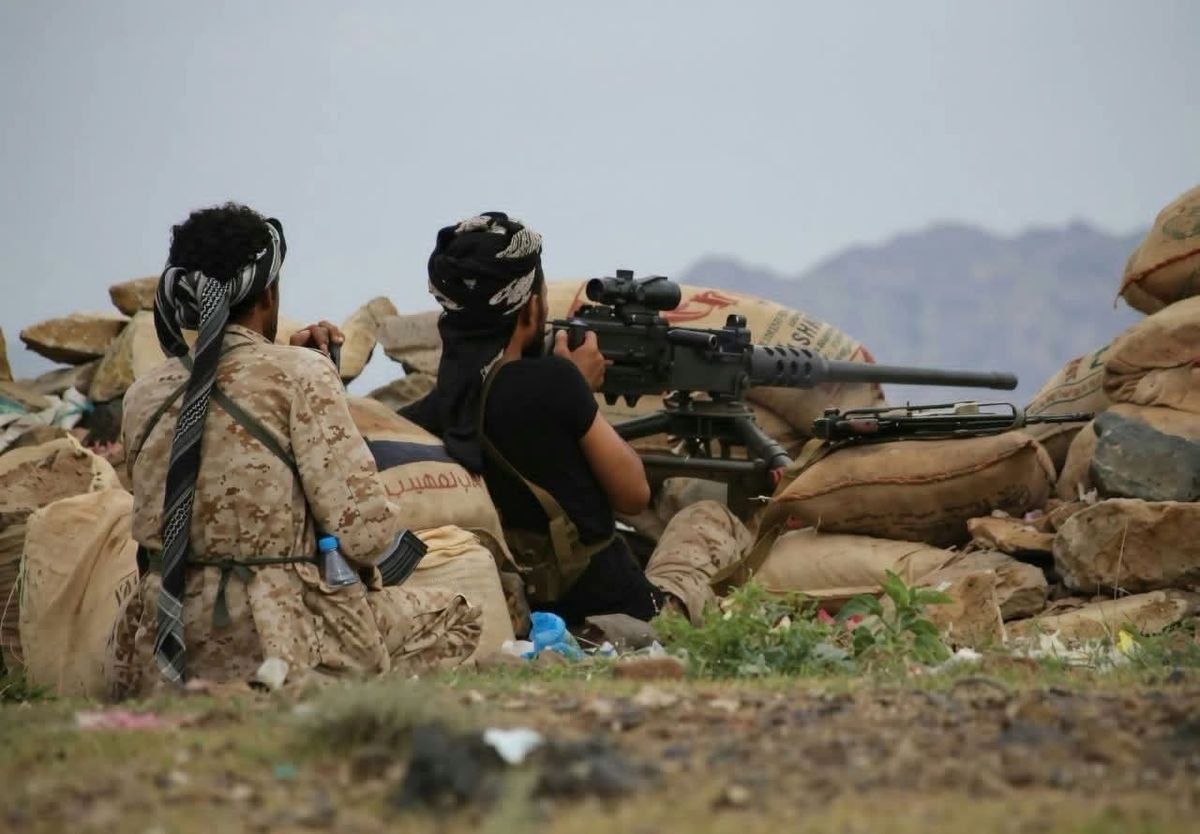
The UN Office for the Coordination of Humanitarian Affairs (OCHA) said on Friday that continued fighting makes it "impossible" for humanitarian workers to reach the city, noting that very small amounts of fuel, food, and other supplies have entered Taiz since October 3rd.
The office quoted its spokesman, Jens Laerke, as saying that fuel shortages are exacerbating the water crisis, as most residents rely on trucked water. Due to the scarcity of diesel needed to run trucks and water pumps, water production in the city has dropped by about half, while the cost of trucked water has nearly tripled.
He added that the shortage of cooking gas threatens the continued operation of community kitchens that provide hot meals to families, while local humanitarian organizations have begun using their remaining reserves to run water pumps and hospitals, warning that these stocks are running out.
On the health front, the World Health Organization (WHO) warned of difficulties hospitals are facing in maintaining life-saving services due to severe shortages of fuel, oxygen, medicine, and medical supplies.
The organization's spokesman, Christian Lindmeier, said that 42 health facilities in Taiz city have reported severe supply shortages, noting that more than 1,100 kidney failure patients require daily dialysis sessions, while 192 patients are receiving intensive care, and 154 newborns are in incubators.
He warned that the continued lack of supplies could lead to further disruption of emergency surgery, dialysis, intensive care, and maternal and newborn care services.
He noted that the organization is working with health authorities to verify remaining fuel stocks and assess the impact of the shortage on medical services.
Source: United Nations