Political Analyst: Ankara is Working to Convey De-escalation Initiative to All Parties in Yemeni Crisis
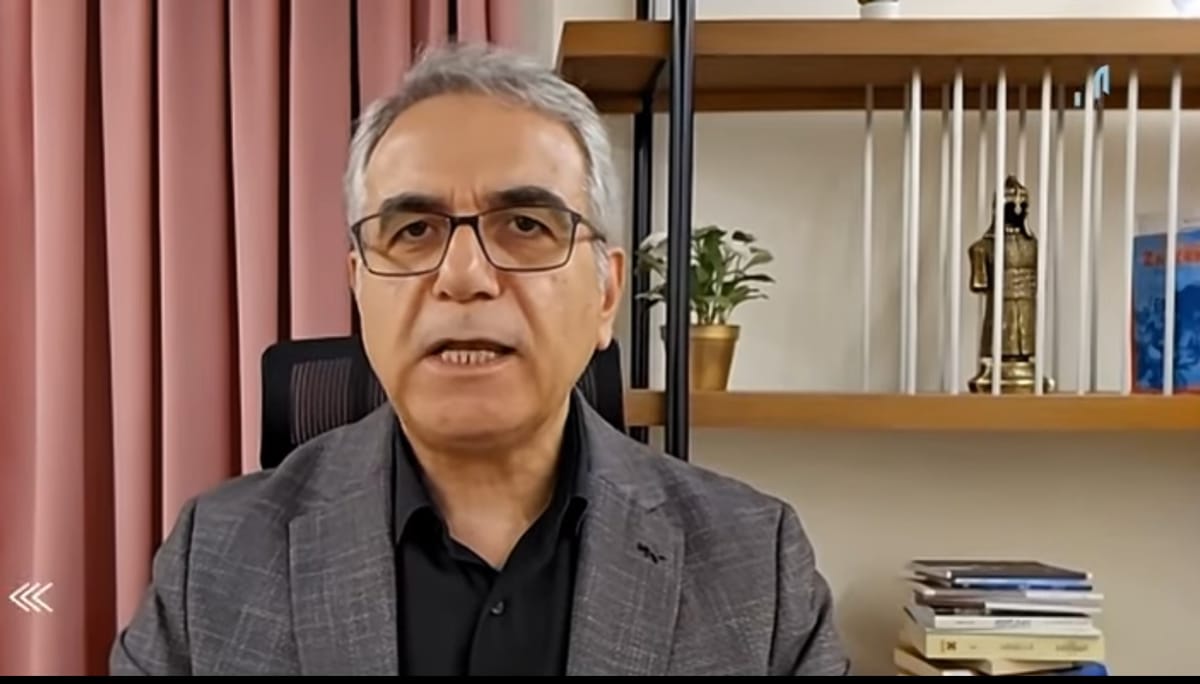
Political analyst Ahmed Al-Hila said that Turkey seeks to avoid expanding the area of conflict in the volatile geopolitical landscape of the Gulf region, amidst the escalating tensions between the United States and Iran and their repercussions on the region's countries.
Al-Hila explained, in an interview with the "Al-Tasi'a" program on Al-Mahriah Channel, that the Turkish position aligns with the statements of the Turkish Foreign Minister, who affirmed that his country and Saudi Arabia do not want to be parties to a war between the United States and Iran.
He pointed out that there is a Turkish assessment that some parties are pushing Saudi Arabia to become more involved in the military equation in the region, considering that the widening circle of conflict will affect various countries in the region.
Regarding the Yemeni issue, Al-Hila said that the current war, although based on internal Yemeni disputes and divisions, has a particularly significant timing, especially given the American position supporting Saudi Arabia in the course of the war.
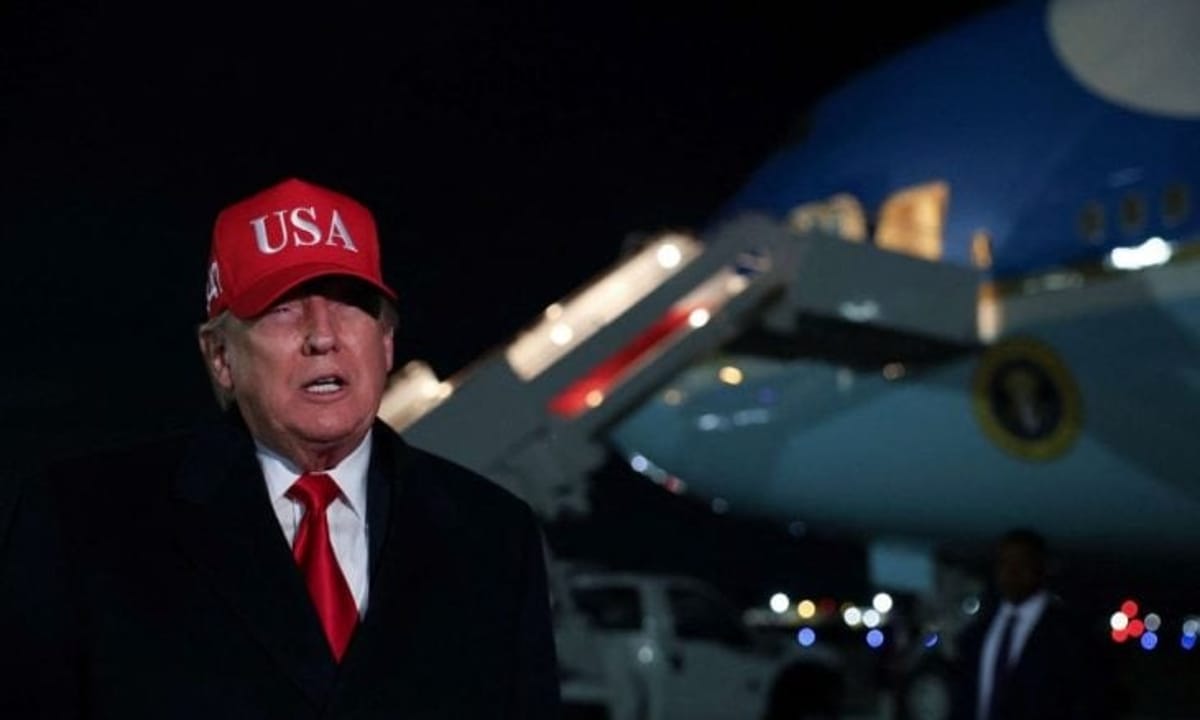
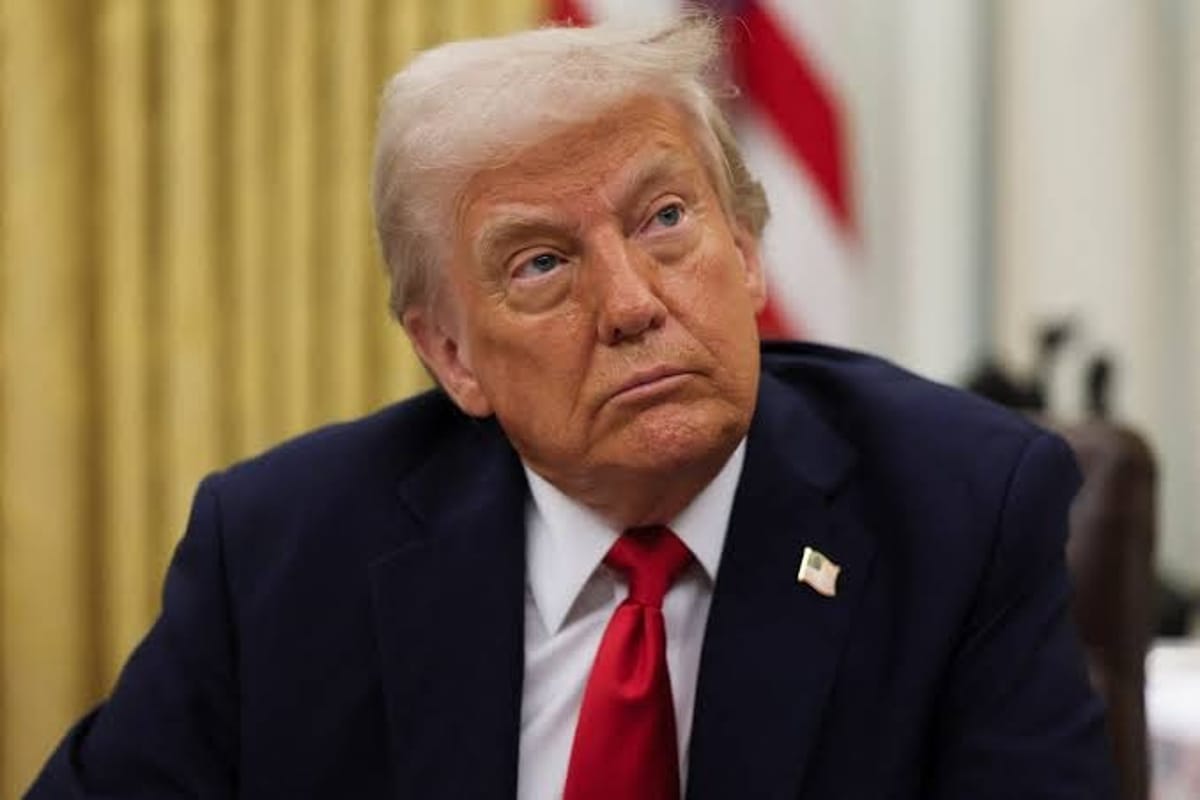
He added that the statements by US President Donald Trump at the beginning of the clashes in Yemen, in which he announced his support for Saudi Arabia, reflect, in his assessment, Washington's awareness of Saudi Arabia's direct role in the war, even though the support is framed as backing the Yemeni government.
Al-Hila noted that Turkey fears the widening of the conflict circle in the region and seeks to contain the state of regional fragmentation, pointing out that any broad escalation will affect various countries in the region.
He touched on American military and political movements in the region, referring to a meeting between the commander of the US Central Command, Brad Cooper, with a number of Arab army chiefs of staff, in the presence of the Israeli army chief of staff, in addition to communications and movements by the Central Command in Saudi Arabia.
He also pointed to US President Donald Trump's escalating rhetoric towards Iran, his hinting at the option of war, and his desire to meet with the Gulf Cooperation Council countries on the sidelines of the United Nations General Assembly meetings.
Al-Hila questioned whether the current US escalation reflects Washington possessing a different military equation from the operations it carried out in cooperation with Israel against Iran during the 40-day war, and whether the United States is capable of transitioning to an open and wide-scale war led by the US military.
Regarding Turkey's move on the Yemeni file, Al-Hila said his country is concerned with conveying the de-escalation initiative to all parties, whether Iran or the Yemeni parties, including the government and the Houthi group, stressing that excluding any party from the consultations could lead to a zero-sum equation.
He stressed the need for all parties concerned with the Yemeni file to discuss the idea of de-escalation as a prelude to finding a political solution, warning that betting on a military resolution to control the geopolitics, especially the Bab al-Mandab strait, may have led to results contrary to previous estimates.
He said that the continuation of military escalation in Yemen exhausts the Yemeni file and harms the interests of the country and the Yemeni people, considering that a return to the political track has become necessary, and that the continuation of the war cannot be justified merely by labeling one party as legitimate and another as illegitimate, amidst a political dispute that has lasted for years.
Source: Al-Mahriah Channel