UNICEF warns of widening hunger among Yemeni children as fighting escalates
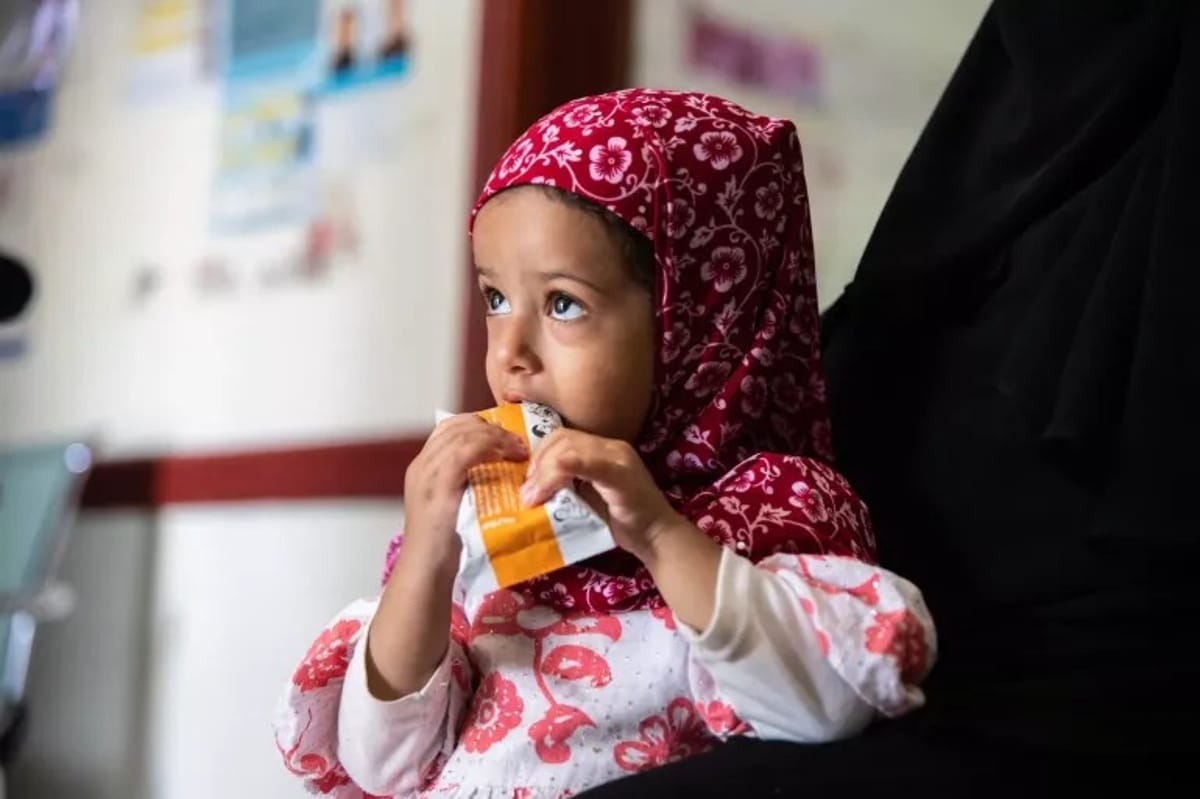
The United Nations Children's Fund (UNICEF) warned on Friday of the worsening situation for children in Yemen as fighting escalates, noting that more than 2.2 million children under five are expected to suffer from acute malnutrition this year.
Achille Ayire, UNICEF's representative in Yemen, said during a press conference at the Palais des Nations in Geneva that children across the country are "once again the most affected" by the escalating conflict, amid ongoing food and nutrition crises and declining access to healthcare.
Ayire explained that the organization's mobile nutrition teams have screened about 2,900 children in recent weeks in areas with safe and possible humanitarian access, finding that more than a quarter of them suffer from acute malnutrition, including over 200 children with severe acute malnutrition.
He noted that before the recent escalation in fighting, estimates predicted that more than half a million children would suffer from severe acute malnutrition, the most lethal form of malnutrition.
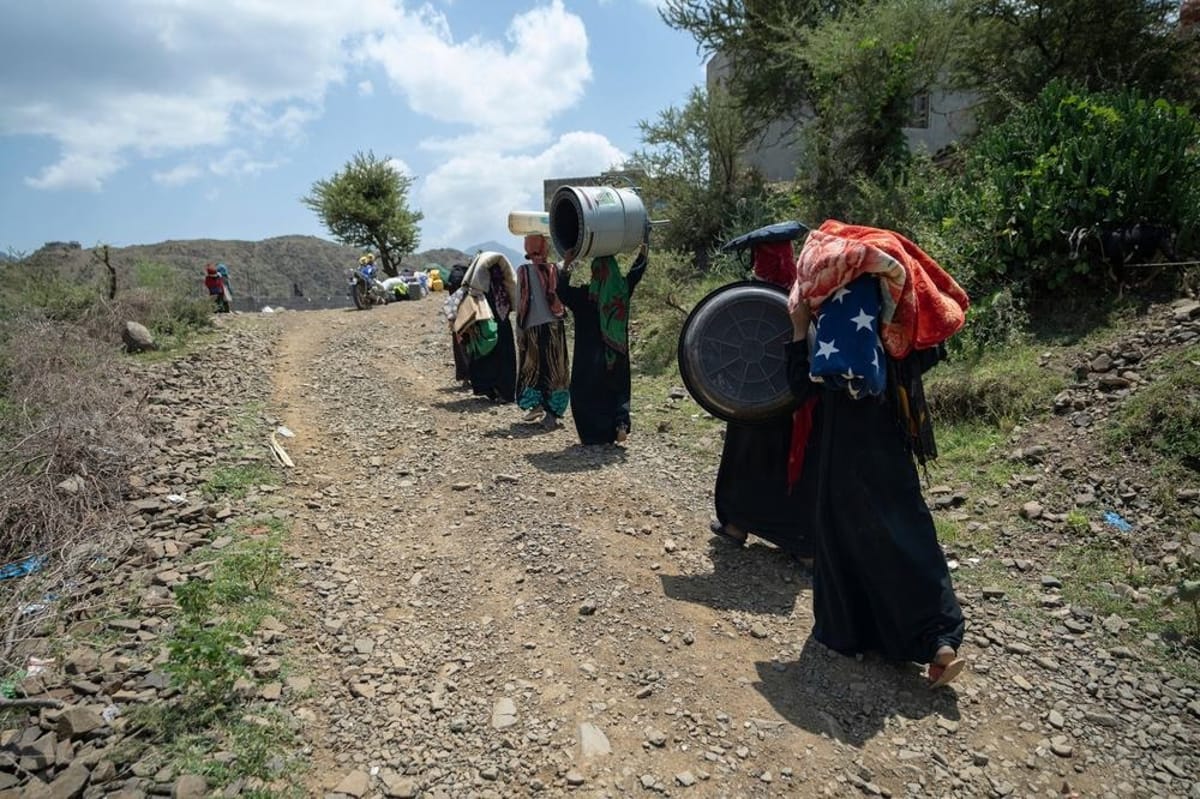
According to the UN official, the escalation in the past three weeks has forced about 130,000 people, including nearly 71,000 children, to flee their homes. Most of the displaced are concentrated in the Taiz governorate in southwestern Yemen, facing difficulties in reaching safer areas due to fighting, road closures, and a lack of transportation.
He pointed out that some families have been forced to flee multiple times, in some cases up to six times, leading to the loss of income sources, housing, and essential services.
In this context, UNICEF reported that it has verified the deaths of 15 children and the injuries of 14 others since September 3, while three children remain missing.
The education sector has also been affected by the escalation, with 243 schools closed or suspended in recent weeks, depriving more than 137,000 students of continuing their education.
UNICEF confirmed it is expanding its emergency response in Yemen to reach up to 231,000 people, including a large number of children, through mobile health and nutrition teams, providing safe water, and supporting health facilities and child protection services.
Ayire stressed the need to protect children and civilian infrastructure, respect international humanitarian law, and ensure safe and unimpeded access for humanitarian aid.
He said that the children he met in Yemen do not talk about geopolitics but ask about their homes, their schools, the people they left behind, and where they will sleep at night, adding that the children of Yemen "have already lost so much due to the conflict" and should not be forced to lose more.
Source: UNICEF